We may earn a commission when you buy through links on this page, at no extra cost to you. How this works.
Most grocery store coffee tastes flat because the beans sitting on those shelves have often been roasted weeks or even months before you buy them. Coffee begins losing flavor within days of roasting, and without a roast date on the bag, you have no way to know whether you're buying fresh beans or stale ones that will brew a bitter, dull cup.
The good news: learning to spot fresh coffee at the grocery store takes less than 30 seconds once you know what to look for on the label. This guide walks you through the specific details that separate vibrant, flavorful beans from the stale bags that dominate most supermarket shelves - no special equipment or coffee expertise required.
You'll learn how to read dates correctly, which packaging features actually protect freshness, and what origin and roast information tells you about flavor before you even open the bag. By the end, you'll be able to walk any grocery store coffee aisle with confidence and consistently pick beans that deliver the flavor you're paying for.
What to Check on Every Coffee Bag
- Roast date (not just best by date)
- One-way valve on the bag
- Whole bean, not pre-ground
- Opaque or foil-lined packaging
- Clear origin or blend description
- Roast level that matches your taste preference
Common Mistakes to Avoid
- Buying pre-ground coffee for convenience
- Choosing beans with no visible roast date
- Picking the cheapest bag without checking freshness
- Buying in bulk if you won't use it within 3 - 4 weeks
- Ignoring the one-way valve
- Storing beans in the freezer or fridge (moisture damage)
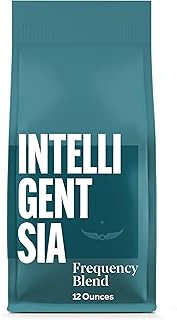
Intelligentsia Coffee Medium Roast Whole Bean, Frequency Blend, 12 Ounce Bag
Intelligentsia Coffee's Frequency Blend demonstrates what to look for when you're standing in the grocery aisle. This 12-ounce bag of medium roast whole beans shows clear origin details and roast information on the packaging, making it easier to assess freshness before you buy. The blend typically combines beans from multiple growing regions to create a balanced cup with consistent flavor notes of chocolate, caramel, and citrus.
The bag uses a one-way valve - the small circular disc you'll see on the front - which lets carbon dioxide escape while keeping oxygen out. This packaging feature helps preserve the beans after roasting and is a reliable sign that the roaster takes freshness seriously. Intelligentsia prints roast dates on their bags, so you can check how recently the beans were processed rather than guessing based on a generic "best by" stamp.
With a 4.2 out of 5 rating, this coffee reflects strong customer feedback for a grocery-available option. The medium roast level strikes a balance between acidity and body, making it approachable whether you brew in a drip machine, French press, or pour-over. At $18.48 for the listed size, the price sits higher than mass-market brands but aligns with specialty coffee that prioritizes sourcing and roast quality.
This bag illustrates the key markers covered earlier: valve packaging, roast date transparency, origin information, and a roast level that fits a wide range of taste preferences. When you compare bags at the store, look for these same details to identify coffee that's been handled with care from roaster to shelf.
- ✅ One-way valve packaging preserves freshness
- ✅ Roast date printed on bag for transparency
- ✅ Medium roast suits multiple brewing methods
- ✅ Origin details and blend information clearly labeled
- ✅ Strong 4.2/5 customer rating
- ⚠️ Higher price point than mass-market brands
- ⚠️ 12-ounce bag may run out quickly for daily drinkers
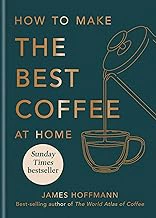
How To Make The Best Coffee At Home
Once you know how to choose fresh beans at the store, the next step is brewing them well. How To Make The Best Coffee At Home walks through brewing fundamentals, bean sourcing strategies, and tasting basics in a straightforward format. With a 4.8/5 rating, it offers structured guidance for readers who want to improve their entire coffee routine beyond the grocery aisle.
The book covers practical topics like grind size, water temperature, and extraction timing - details that directly affect flavor even when you start with quality beans. It also revisits bean selection from a home-brewing perspective, explaining which characteristics matter most depending on your equipment and taste preferences. The approach is pragmatic rather than prescriptive, helping you make decisions that fit your setup and schedule.
At $11.84, this is a low-cost way to build confidence in both buying and brewing. If you're ready to connect bean quality with consistent technique, this guide provides a solid foundation without requiring specialty tools or advanced experience.
- ✅ Straightforward coverage of brewing fundamentals and bean sourcing
- ✅ 4.8/5 rating reflects strong reader satisfaction
- ✅ Affordable at $11.84 for structured, practical guidance
- ⚠️ Book format may not suit readers who prefer video or hands-on instruction
- ⚠️ Does not include equipment recommendations or brand-specific advice
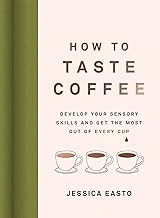
How to Taste Coffee
Learning to taste coffee helps you understand why freshness, roast date, and origin matter when you're choosing beans at the store. How to Taste Coffee offers a structured approach to identifying flavor notes, body, and acidity - the same attributes printed on many specialty grocery bags - so you can match what you read on the label to what you actually enjoy in the cup.
The book walks through sensory training exercises that make it easier to recognize sweetness, bitterness, and specific fruit or chocolate notes. This skill becomes practical when you're standing in the aisle comparing a bright Ethiopian natural-process coffee to a balanced Colombian washed lot: you'll know which flavor profile suits your palate and whether the roast date supports that character.
Readers who want to move beyond guesswork and build confidence in their buying decisions will find the tasting vocabulary and comparison framework useful. The book does not replace reading the bag or checking the roast date, but it does explain why those details translate into cup quality and how to evaluate whether a bean's stated flavor profile is worth the shelf price.
If you're committed to tasting the difference between fresh and stale beans - or simply want to understand what "bright acidity" or "chocolate finish" really means - this resource bridges the gap between label language and sensory experience.
- ✅ Teaches structured tasting vocabulary and sensory exercises
- ✅ Helps readers connect bag labels to actual flavor profiles
- ✅ Builds confidence in evaluating freshness and quality at the store
- ⚠️ Requires practice and multiple tastings to develop the skills
- ⚠️ Focused on sensory training rather than step-by-step grocery shopping
Who This Guide Is For
This guide is for busy coffee drinkers who want a noticeably better cup without visiting specialty roasters, managing monthly subscriptions, or investing in new equipment. You shop at your regular grocery store and want to walk out with beans that actually taste fresh and flavorful. Whether you brew drip coffee before work, make a weekend French press, or rely on a simple automatic machine, the beans you choose make the biggest difference in what ends up in your mug.
You don't need to become a coffee expert or memorize roasting terminology. You just need to know which details on the bag matter, which are marketing noise, and how to spot the signs that beans have been sitting on the shelf too long. If you've been disappointed by stale, flat-tasting coffee or overwhelmed by rows of nearly identical bags, this guide will help you make faster, more confident decisions in the aisle.
The advice here assumes you're working with the selection your local store actually carries - not chasing rare single-origin lots or mail-order micro-roasters. The goal is straightforward: use the information already printed on the bag to find fresher, more flavorful beans during your normal grocery run.
The Roast Date Rule: Why It Matters More Than Everything Else
The roast date is the single most important piece of information on a coffee bag, yet many grocery store brands hide it or leave it off entirely. Fresh coffee peaks in flavor between three and fourteen days after roasting, when the beans have had time to degas but haven't yet lost their aromatic compounds. After four to six weeks, those flavors fade noticeably, leaving you with flat, stale coffee no matter how you brew it.
When you're scanning the shelf, look for bags that print a clear roast date - usually stamped or printed near the seal or on the back panel. If the roast date falls within the last month, you're in good shape. Beans roasted two to three weeks ago will still deliver bright, complex flavors at home.
Avoid bags that only display a "best by" or expiration date twelve months or more in the future. These dates tell you nothing about when the coffee was actually roasted, and they're often used to mask beans that have been sitting in a warehouse for weeks or months. A bag with no roast date at all is a red flag: the roaster isn't prioritizing freshness, and you shouldn't either.
If your local grocery store doesn't stock any bags with visible roast dates, consider asking the store manager to carry a brand that does, or look for a local roaster's product in the specialty aisle. Fresh coffee is worth the small effort, and once you taste the difference, you won't want to go back to guessing.
Whole Bean vs. Pre-Ground: The 48-Hour Window
Pre-ground coffee loses most of its flavor within 48 hours of grinding because the increased surface area accelerates oxidation and volatile aromatic compounds escape quickly. Whole beans, by contrast, stay fresh for several weeks when stored properly, since the protective outer structure keeps oils and aromatics locked inside until you're ready to brew.
The convenience of pre-ground is real, but the tradeoff is steep: what you save in time, you lose in flavor depth, aroma, and nuance. A simple burr grinder takes about 10 seconds to grind enough beans for a pot, and the difference in cup quality is immediate and obvious.
If you're serious about better-tasting coffee at home, buying whole beans and grinding just before brewing is the single most impactful change you can make. The grinder doesn't need to be expensive - consistency matters more than brand - but it does need to be part of your routine if you want grocery-store beans to deliver their full potential.
Reading the Roast Level: Light, Medium, Dark
Roast level shapes the flavor more than almost any other factor once you bring the beans home. Light roasts preserve the origin character of the bean - think bright acidity, fruity or floral notes, and a tea-like body. These roasts stop before or just after the first crack in the roasting process, so the bean's natural flavors remain front and center. If you enjoy citrus, berry, or wine-like complexity, look for bags labeled light, blonde, or cinnamon roast.
Medium roasts strike a balance between origin flavor and roasted sweetness. The beans develop caramel and chocolate notes without losing all the brightness. This roast level is the most approachable for everyday drinking and pairs well with milk. Labels like American, breakfast, or city roast usually fall into this category. Medium roasts offer versatility - they work in drip brewers, pour-overs, and espresso machines without overwhelming the palate.
Dark roasts push the beans into or past the second crack, creating bold, smoky, and bittersweet flavors with low acidity. The roasting process dominates the taste, so the bean's origin becomes less distinct. French, Italian, espresso, or Vienna roast names signal this intensity. Dark roasts can taste robust and full-bodied, but be cautious: extremely dark beans sometimes mask stale or lower-quality coffee. If the beans look oily or smell ashy rather than rich, the roast may have gone too far or the beans sat too long after roasting.
Check the bag for roast-level cues - many brands print a scale or use color coding. When in doubt, medium roasts offer the safest starting point. Match the roast to your brewing method and taste preference, and remember that freshness matters more than roast darkness.
Origin and Blend: What the Label Actually Tells You
Single-origin coffee beans come from one country or region - such as Ethiopia, Colombia, or Sumatra - and offer distinct, recognizable flavor profiles shaped by local soil, altitude, and processing methods. Blends combine beans from multiple origins to create consistency and balance, smoothing out the highs and lows of individual lots. Neither is inherently better, but the label language will tell you what you're getting.
Look for specific geographic names on the bag. A label that says "Ethiopia Yirgacheffe" or "Colombia Huila" signals transparency and traceability, giving you a clearer idea of what to expect in the cup. Vague terms like "premium blend," "gourmet," or "select" usually mean the roaster is mixing commodity beans without disclosing origin, which makes it harder to predict flavor or assess quality.
Single-origin beans tend to highlight unique characteristics - bright acidity in a Kenyan coffee, chocolate notes in a Guatemalan, fruity complexity in an Ethiopian. Blends are designed for familiarity and drinkability, often pairing a bright Central American bean with a heavier Indonesian one to create a well-rounded cup that tastes the same batch after batch. If you want to explore flavor, start with single origins; if you prefer reliable, everyday drinking, a well-labeled blend from a transparent roaster is a safe choice.
When the label lists the origin, it's a sign the roaster is confident enough in the sourcing to put it in writing. When it doesn't, assume you're getting a mix of lower-cost beans chosen for price rather than character, and adjust your expectations accordingly.
Packaging Clues: Valves, Foil, and Freshness Seals
A one-way valve on a coffee bag lets carbon dioxide escape from freshly roasted beans without allowing oxygen to enter, which helps preserve freshness and prevents the bag from bursting. Look for this small circular disc, usually centered on the front or back of the bag - it's a reliable sign the roaster cares about keeping beans fresh after packaging.
Opaque or foil-lined bags block light, which degrades coffee oils and flavor over time. Bags made from clear plastic or glass canisters expose beans to light and air, both of which accelerate staleness. If the grocery store shelves coffee in transparent packaging, the beans have likely been sitting under fluorescent lights losing aroma and complexity.
Gently squeeze the bag near the valve and lean in to smell: fresh beans release a noticeable, pleasant coffee aroma through the valve. If you detect little to no scent, the beans may be stale or the roast date is weeks or months old. This squeeze test works only when the bag has a valve and enough internal CO2 pressure to push aroma out.
Avoid bags with torn seals, punctures, or visible air pockets inside - these let oxygen in and compromise the beans before you even open them. Packaging that combines a valve, opaque material, and an intact seal gives your beans the best chance of staying flavorful from the roaster to your grinder.
How Much to Buy and How to Store It
Buying the right amount of coffee - and storing it properly - matters as much as choosing the right bag. Coffee beans begin losing flavor the moment they're roasted, and once you open the bag, oxidation speeds up. To keep your coffee tasting the way the roaster intended, buy only what you'll use in two to three weeks.
Most grocery-store bags contain 12 ounces or one pound. If you drink one cup a day, a 12-ounce bag will last about two weeks; if you brew for two people or drink multiple cups, a pound makes sense. Buying in bulk might save money, but stale coffee costs more in wasted flavor.
Once you're home, transfer the beans to an airtight, opaque container and store it at room temperature, away from heat, light, and moisture. A cool pantry or cupboard works well. Avoid leaving beans in the original bag unless it has a resealable zip and a one-way valve; most grocery-store bags aren't designed for long-term freshness once opened.
Skip the refrigerator entirely - temperature fluctuations and condensation introduce moisture that degrades the beans. Freezing is an option only if you portion the beans into small, vacuum-sealed bags and thaw each portion once, using it immediately. Repeated freeze-thaw cycles damage cell structure and dull flavor. For most home coffee drinkers, buying smaller quantities more often and keeping beans in a simple, sealed container at room temperature delivers better results than any freezer trick.
Your Next Shopping Trip
Choosing fresh, flavorful coffee beans at the grocery store comes down to a few fast checks that take seconds but change every cup. Start by looking for a roast date - not just a best-by stamp - and pick bags roasted within the past two to four weeks. A one-way valve on the package signals the roaster expects the beans to stay fresh enough to off-gas, which is a good sign of quality and care.
Whole beans stay fresh longer than pre-ground coffee, so buy whole and grind just before brewing whenever possible. Finally, buy only what you'll finish in two to three weeks; even a great bag loses its brightness and aroma once the oils start to fade.
These small habits - reading the date, checking for a valve, choosing whole bean, and buying smaller quantities - cost you nothing extra and deliver noticeably better flavor. The next time you're in the coffee aisle, these details will take less than a minute to confirm, and your morning cup will show the difference immediately.