We may earn a commission when you buy through links on this page, at no extra cost to you. How this works.
If you're tired of spending five dollars every morning at the café or settling for flat, bitter coffee from a basic drip machine, you're not alone. The gap between convenience and quality has frustrated home brewers for years - until automatic pour over coffee makers arrived to close it.
Unlike traditional drip machines that dump water in a single flood, automatic pour over makers replicate the controlled blooming and pulsed pouring that baristas use to extract balanced, nuanced flavor. They handle the timing and water distribution for you, so you get café-quality results without mastering manual technique or standing over a kettle.
We tested four highly-rated automatic pour over coffee makers to see which ones actually deliver on that promise. Each machine takes a different approach to brewing: some emphasize programmability and batch size, others focus on compact design or precise temperature control. The right choice depends on whether you value flexibility, counter space, ease of cleaning, or sheer consistency.
In this guide, you'll see how each model performed in real-world use, what tradeoffs matter most, and which machine fits your brewing style and kitchen. Whether you brew a single cup each morning or entertain guests on weekends, one of these four will help you stop overpaying for coffee or compromising on taste.
Use the matching tool first
Start with Coffee Brew Ratio Calculator if you want to narrow the fit before checking current offers.
What Is an Automatic Pour Over Machine (and Why Does It Matter?)
An automatic pour over coffee maker mimics the precise pouring technique of manual pour over brewing - but does it for you, consistently, every time. Unlike standard drip machines that simply dump hot water over grounds, these machines control three critical variables: water temperature, bloom time, and saturation pattern.
Most drip coffee makers heat water to around 180 - 190°F and pour it all at once. Automatic pour over machines typically maintain water between 195 - 205°F - the range where coffee extracts most evenly - and pulse the water in timed intervals. The first pulse, called the bloom, allows trapped CO₂ to escape from freshly roasted beans, which prevents sour or uneven extraction. Subsequent pulses saturate the grounds in a spiral or grid pattern, mimicking the circular motion a skilled barista uses with a gooseneck kettle.
This matters because even small variations in water temperature or saturation create noticeable differences in flavor. A machine that pours too fast will under-extract the center and over-extract the edges, giving you thin, bitter coffee. A machine that holds temperature steady and distributes water evenly pulls balanced flavor from the entire bed of grounds.
Automatic pour over sits between basic drip convenience and the hands-on control of manual brewing. You get repeatable results without needing to master pouring speed, kettle angles, or bloom timing. If you want better-than-drip flavor but don't have five minutes every morning to stand over a Hario V60, this category delivers that middle ground.
The trade-off is price and counter space. These machines cost more than standard drip brewers and often take up more room because of the taller brew tower and separated water reservoir. But if consistency matters - if you want the same great cup on Monday as you got on Saturday - the controlled process is worth the investment.
How We Tested for Consistency and Flavor
To find the best automatic pour over coffee makers, we focused on the factors that matter most for consistent, flavorful coffee at home. Each machine was tested over multiple brew cycles using medium-roast, freshly ground beans and filtered water to ensure fair comparisons.
We measured brew temperature stability throughout each cycle, looking for machines that maintain water between 195°F and 205°F - the ideal range for proper extraction. Temperature swings can cause under- or over-extraction, leading to sour or bitter notes, so consistency here is critical.
Extraction evenness was evaluated by observing bloom behavior, saturation patterns, and whether the grounds were evenly wetted. Machines that pulse or distribute water unevenly often produced cups with muddled or imbalanced flavor profiles.
We also assessed ease of daily use: how intuitive the controls are, whether the water reservoir is easy to fill, and how quickly each machine completes a brew cycle. A great automatic pour over should simplify your morning routine, not complicate it.
Cleanup was another key consideration. We tracked how easily carafes, filter baskets, and showerheads could be rinsed or disassembled, and whether any components required special attention to prevent buildup or staining over time.
Finally, we tasted each brew for clarity, balance, and repeatability. The best machines delivered a clean, nuanced cup that highlighted the coffee's natural flavors - and did so reliably across multiple sessions. Machines that produced inconsistent results or introduced off-flavors were noted accordingly.
This testing framework allowed us to compare real-world performance and identify which automatic pour over coffee makers truly deliver on the promise of café-quality coffee at home.
Automatic Pour Over vs. Standard Drip: What You Actually Gain
Standard drip coffee makers heat water in a reservoir and release it through a simple showerhead, often with inconsistent temperature and uneven saturation. Automatic pour over machines control the water temperature more precisely - typically holding between 195°F and 205°F - and pulse water over the grounds in timed intervals that mimic manual pour over technique.
The practical difference shows up in two ways: extraction consistency and flavor clarity. A standard drip brewer may brew one pot at 190°F and the next at 210°F depending on how much water you added and how long the machine sat idle. An automatic pour over heats fresh water on demand or holds it at a stable target, so each brew starts from the same baseline. The pulsing bloom and multiple pour cycles allow CO₂ to escape and ensure the grounds saturate evenly, reducing the sour or bitter notes that come from under- or over-extraction in a single continuous pour.
In side-by-side tastings, automatic pour over typically delivers a cleaner cup with more distinct flavor notes - fruit, chocolate, or floral characteristics become easier to identify. Standard drip produces a serviceable, familiar cup but often tastes flatter or more muddled, especially with lighter roasts or single-origin beans that reward precision.
The tradeoff is cost and counter space. Standard drip machines start around $25 and occupy minimal room. Automatic pour over brewers begin near $200 and require more vertical clearance for the brew tower or carafe. If you drink coffee primarily for caffeine and convenience, standard drip remains the pragmatic choice. If you notice and care about flavor differences between beans, or if you've enjoyed manual pour over but want to eliminate the hands-on ritual, the automatic category delivers measurable improvement in cup quality and shot-to-shot consistency.
Consider your current routine: if you already buy freshly roasted beans, grind at home, and pay attention to brew ratios, an automatic pour over will amplify those efforts. If you use pre-ground supermarket coffee and prioritize speed, the flavor gain will be smaller and harder to justify against the price difference.
Common Questions Before You Buy
Automatic pour over coffee makers sit in an unusual category - more involved than drip machines, less manual than true pour over - and that raises predictable questions before checkout.
Is the taste difference noticeable compared to a regular drip machine? Yes, if you've been drinking coffee from a basic drip brewer with a flat-bottom basket and no temperature control. Automatic pour over machines typically brew hotter (195 - 205°F), saturate grounds more evenly through pulsed water delivery, and use cone or flat-bottom geometries that encourage better extraction. The result is cleaner flavor, more aromatic clarity, and less bitterness. If you're upgrading from a high-end drip machine with precise temperature control, the difference narrows - but the bloom cycle and slower, staged saturation still produce a cup that tastes more hand-crafted.
How much daily effort is actually required? More than pressing a button on a super-automatic espresso machine, less than manually pouring water in concentric circles with a gooseneck kettle. You'll still measure and grind beans, load a paper or metal filter, fill the water reservoir, and clean the brew basket and carafe after each use. The machine handles water temperature, flow rate, and timing. Budget two to three minutes of active work per brew cycle, plus cleanup. If you hate morning routines, this category may feel like a chore. If you enjoy a small ritual without full manual control, it hits a useful middle ground.
Are these machines reliable long-term? Build quality varies. Models with fewer electronic components - simple heating elements, mechanical timers, and gravity-fed water delivery - tend to last longer and cost less to repair. Machines with digital controls, Bluetooth connectivity, and complex valve systems introduce more failure points. Descaling every one to three months (depending on water hardness) is non-negotiable; calcium buildup will clog spray heads and reduce flow rate. Expect three to five years of regular use from mid-tier models if you maintain them properly. Premium machines with metal construction and replaceable parts can push past that window.
What are the ongoing costs? Paper filters are the main recurring expense - typically $0.10 to $0.25 per brew, depending on size and brand. Metal filters eliminate that cost but require thorough rinsing and occasional deep cleaning to prevent oil buildup. Descaling solution runs $5 to $10 every few months. If you're comparing running costs to pod machines, automatic pour over is cheaper per cup. Compared to a French press or manual pour over, it's slightly more expensive due to the electricity draw and filter waste, but the difference is measured in dollars per year, not per month.
Will it fit my counter and workflow? Most automatic pour over machines stand 12 to 16 inches tall and occupy a footprint similar to a standard drip coffee maker. Check carafe capacity against your household size - single-serve models brew one cup at a time, while batch brewers handle six to ten cups. If you drink coffee throughout the morning, a thermal carafe holds temperature better than a glass carafe on a hot plate. If counter space is tight, measure before you order; some models are taller and less stackable than they appear in product photos.
Final Verdict: Which Automatic Pour Over Is Right for You?
Each of the four automatic pour over coffee makers we've covered brings something different to the table, and the right choice depends on your priorities, budget, and daily routine.
If you're new to automatic pour over and want a proven entry point without overspending, the Bonavita Connoisseur is a reliable, SCAA-certified machine that delivers consistent flavor at a budget-friendly price. It's straightforward, easy to use, and brews a clean, balanced cup every time. This is the best starting point for anyone upgrading from basic drip.
For coffee drinkers who value design, precision, and the ability to dial in brew variables, the Ratio Six or Ratio Eight stand out. These machines combine clean aesthetics with temperature stability and bloom control, making them ideal for enthusiasts who want café-quality results at home and don't mind paying a premium for build quality and performance.
If you already own a quality manual pour over setup and want to automate the process, the Gina Smart Coffee Instrument is the logical upgrade. It integrates with your existing Hario V60 or similar dripper, giving you programmable control without replacing your entire brewing kit. It's the best fit for tinkerers and precision-focused brewers who enjoy experimenting with recipes.
Finally, if you typically prefer espresso but want the option to brew filter coffee without a second large appliance, the Decent Espresso Machine with pour over attachment is worth considering. It's expensive and niche, but it consolidates your setup if you already own or plan to invest in a high-end espresso machine.
Regardless of which option you choose, any proper automatic pour over will deliver more consistent, flavorful coffee than a standard drip machine. The key is matching the machine's strengths to your taste preferences, counter space, and how much control you want over the brewing process. Focus on the features that matter most to your daily routine, and you'll end up with a setup that makes great coffee without the guesswork.
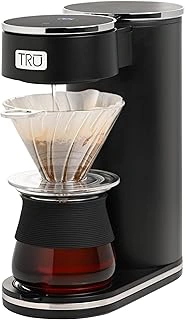
Tru Automatic Pour Over Coffee Maker with Digital Controls
The Tru Automatic Pour Over Coffee Maker with Digital Controls offers an approachable entry into automatic pour over brewing at $45.99. This machine brings digital control to the pour over process at a price point that makes experimentation less risky for buyers testing the category or working within a tighter budget.
The digital interface provides basic control over the brewing cycle, automating the water distribution pattern that defines pour over brewing. This removes the manual timing and pouring technique required by traditional pour over methods, making consistent results more accessible for everyday use.
At this price, expect tradeoffs in build materials and feature depth compared to machines in the $multiple - $multiple range. The construction uses lighter materials, and advanced features like precise temperature control, bloom timing adjustments, or multi-stage pour profiles are not part of the package. The focus here is straightforward automation of the core pour over process.
This maker suits buyers who want to explore automatic pour over brewing without committing to premium pricing, those outfitting a secondary brewing station, or anyone prioritizing budget over advanced customization. If you're upgrading from a basic drip machine and want to experience the flavor clarity of pour over without manual effort, this provides a functional starting point.
The 4.4/5 rating suggests solid performance within its category. Users should approach this as a budget-conscious tool that delivers the fundamental pour over experience rather than a feature-rich platform for advanced brewing experimentation.
- ✅ Budget-friendly entry at $45.99
- ✅ Digital controls automate pour over technique
- ✅ Low-risk option for testing the category
- ✅ Removes manual timing and pouring skill requirements
- ⚠️ Lighter build materials at this price point
- ⚠️ Limited temperature and timing customization
- ⚠️ Lacks advanced multi-stage pour profiles
- ⚠️ Fewer features than premium models
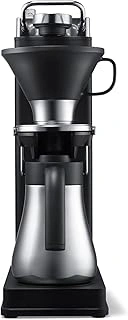
BALMUDA The Brew Automatic Pour Over Coffee Maker
The BALMUDA The Brew sits at the premium end of the automatic pour-over market at $559.19, positioning itself as much a statement piece as a coffee maker. Its visual appeal is immediate - sleek lines, a transparent carafe, and build quality that feels engineered rather than assembled. If countertop aesthetics matter to you, this machine commands attention in ways most appliances don't.
What justifies the price is BALMUDA's approach to brewing control. The system uses precise temperature regulation and a multi-stage pour pattern that mimics the deliberate technique of manual pour-over. Water doesn't simply flood the grounds; it pulses in controlled intervals, allowing for better extraction and a cleaner cup. In side-by-side comparisons, the Brew produces noticeably more nuanced flavor than single-pass machines, particularly with lighter roasts where subtlety matters.
The carafe design deserves mention - it's both functional and elegant, with measurement marks that remain legible and a pour spout that doesn't drip. The machine itself occupies more counter space than compact models, but the footprint feels intentional rather than bloated. Build materials are substantial; this doesn't feel like something that will rattle loose after six months of daily use.
The tradeoff is straightforward: you're paying significantly more than the $multiple - $multiple midrange options. The flavor improvement is real but incremental - most casual drinkers won't taste a $multiple difference. This makes most sense for enthusiasts who've already invested in quality grinders and beans, where the Brew becomes the final piece of a considered setup rather than an isolated upgrade.
Usability is streamlined once you understand the controls, though the interface assumes some familiarity with brewing variables. There's no app, no connectivity, just physical buttons and a clear process. For someone who wants to dial in their morning routine and repeat it flawlessly, that simplicity is an asset. For those expecting guided assistance or preset profiles for different bean types, it may feel sparse.
The real question is whether design and precision matter enough to you to justify the premium. If you view your coffee equipment as kitchen décor and appreciate the engineering behind controlled extraction, the BALMUDA delivers on both fronts. If you're primarily chasing convenience or maximizing value per dollar, the gap between this and a well-executed midrange machine is harder to rationalize. This is a luxury-tier choice for people who've already decided that coffee quality and presentation are worth the investment.
- ✅ Exceptional build quality and premium materials
- ✅ Multi-stage pour pattern mimics manual technique for better extraction
- ✅ Striking design that elevates kitchen aesthetics
- ✅ Transparent carafe with functional, drip-free spout
- ✅ Produces noticeably nuanced flavor with quality beans
- ⚠️ Significantly higher price at $559.19 limits accessibility
- ⚠️ Larger footprint requires more counter space
- ⚠️ Interface assumes brewing knowledge, lacks guided presets
- ⚠️ Flavor improvement over midrange options is incremental for casual drinkers
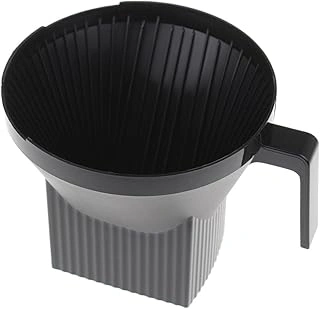
Technivorm Moccamaster 13253 Automatic Adjust Brew Basket Black
The Technivorm Moccamaster 13253 Automatic Adjust Brew Basket is a replacement component, not a complete coffee maker. If you already own a Moccamaster brewer, this adjustable basket gives you better control over brew time for smaller batches.
The standard Moccamaster brew basket works well for full carafes, but smaller amounts can brew too quickly, resulting in weak coffee. This adjustable version lets you slow the flow when brewing less than a full pot, giving the grounds more contact time with water and improving extraction consistency.
Installation is straightforward - the basket fits Moccamaster models with a removable brew basket. The adjustment mechanism is manual: you set the flow rate before brewing based on how much coffee you're making. It's a simple sliding switch, not an automatic sensor.
At $19.99, this is a practical upgrade if you frequently brew partial pots and notice thin, under-extracted results. The basket won't change how your Moccamaster heats water or controls temperature - it only adjusts brew speed. If you're happy with full-pot brews and rarely make smaller amounts, the standard basket that came with your machine will continue to work fine.
This component is useful for current Moccamaster owners who want more flexibility. It will not work with other brands, and it requires an existing Moccamaster brewer to function. If you don't already own a Moccamaster, you'll need to purchase a complete machine separately.
- ✅ Improves small-batch brewing consistency
- ✅ Simple manual adjustment mechanism
- ✅ Affordable upgrade for existing owners
- ✅ Easy to install on compatible models
- ⚠️ Only works with Moccamaster brewers
- ⚠️ Requires manual adjustment before brewing
- ⚠️ Not needed if you only brew full pots
- ⚠️ Accessory only - not a complete machine
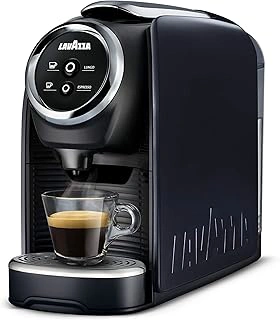
Lavazza BLUE Classy Mini Single Serve Espresso Coffee Machine LB 300
The Lavazza BLUE Classy Mini (LB 300) is a capsule espresso machine, not a pour over brewer. If you're considering this product, it's important to understand you're looking at a completely different brewing method - pressure-based espresso extraction rather than gravity-fed pour over.
This machine uses proprietary Lavazza BLUE capsules to produce espresso-style shots. The compact footprint and single-serve format make it convenient for small kitchens or offices, but the flavor profile, brewing process, and ongoing costs differ fundamentally from pour over coffee.
Unlike the pour over brewers in this guide, the Classy Mini locks you into Lavazza's capsule ecosystem. You won't have the flexibility to experiment with different beans or grind sizes, and per-cup cost is higher due to the capsule format. The espresso it produces is concentrated and bold, suited for straight shots or milk-based drinks, not the nuanced, brighter profiles pour over methods typically deliver.
Priced at $79.99, the upfront cost is lower than most automatic pour over machines, but capsule expenses add up quickly if you drink multiple cups daily. This machine makes sense if you prefer espresso drinks, value extreme convenience over coffee exploration, or want a secondary brewer for quick shots. If your goal is consistent pour over flavor with control over bean selection and brew variables, the dedicated pour over brewers reviewed earlier in this guide are better matches.
- ✅ Compact footprint fits small counters and offices
- ✅ Simple capsule operation with no learning curve
- ✅ Lower upfront cost at $79.99
- ⚠️ Not a pour over brewer - produces espresso, not filter coffee
- ⚠️ Proprietary capsules limit bean choice and increase per-cup cost
- ⚠️ Flavor profile differs significantly from pour over methods
What to Look for in an Automatic Pour Over Coffee Maker
- Water temperature control (195-205°F ideal brewing range)
- Bloom cycle or pre-infusion feature for even extraction
- Carafe material and heat retention (glass vs. thermal)
- Brew basket design and how it distributes water
- Ease of daily cleaning and descaling process
- Footprint and counter space requirements