We may earn a commission when you buy through links on this page, at no extra cost to you. How this works.
Bitter coffee can ruin an otherwise perfect morning. That harsh, unpleasant aftertaste lingers long after the cup is empty, leaving you frustrated and wondering what went wrong. The good news? Bitterness is almost always fixable once you understand the root cause.
Coffee bitterness typically stems from a handful of specific issues: over-extraction, water that's too hot, stale or dark-roasted beans, or a grind size that doesn't match your brewing method. Each of these problems pulls undesirable compounds from the coffee grounds, overwhelming the balanced flavors you're after.
This guide walks through the most common culprits behind bitter coffee and shows you exactly how to adjust your routine. You won't need expensive new equipment or a complete brewing overhaul - simple tweaks to temperature, timing, grind size, and bean freshness can transform your cup in minutes.
Understanding the balance between extraction and flavor is key. When water contacts coffee grounds for too long, at too high a temperature, or with the wrong surface area, it extracts bitter tannins and compounds that mask the natural sweetness and acidity. By controlling these variables, you regain full control over your coffee's taste.
Whether you brew with a drip machine, French press, pour-over, or espresso maker, the same core principles apply. The sections ahead break down each cause of bitterness, explain why it happens, and offer clear steps to correct it - so your next cup delivers the smooth, balanced flavor you expect.
What Causes Coffee Bitterness
Coffee bitterness happens when too many bitter compounds end up in your cup. Understanding the three main causes helps you pinpoint exactly where your brewing process is going wrong.
Over-extraction is the most common culprit. When water contacts coffee grounds for too long or at too high a temperature, it pulls out harsh, bitter-tasting compounds along with the desirable flavors. Brew times that run past the recommended window for your method, or water hotter than 205°F, will extract these unwanted flavors. You'll notice this as a dry, astringent bitterness that lingers on your tongue.
Wrong grind size changes how quickly extraction happens. Grounds that are too fine for your brewing method create excessive surface area, allowing water to pull out bitter compounds even during a normal brew time. This is especially noticeable in drip coffee makers and French presses, where a fine grind meant for espresso will produce harsh, over-extracted results. Conversely, using a grind that's too coarse won't cause bitterness, but it will lead to weak, sour coffee from under-extraction.
Stale or over-roasted beans bring built-in bitterness before you even start brewing. Coffee loses its balanced flavor profile within weeks of roasting, and the pleasant brightness fades while bitter notes become more prominent. Beans roasted to a very dark level - where oils appear on the surface - naturally taste more bitter because the roasting process has broken down sugars and created carbonized compounds. If your beans have no roast date on the bag, or that date is more than a month old, staleness is likely contributing to the problem.
These three causes often work together. You might be brewing stale beans with water that's too hot and a grind that's too fine, compounding the bitterness. The good news is that each factor is easy to adjust once you know what to look for.
How Water Temperature Affects Bitterness
Water temperature plays a critical role in extraction. When water is too hot, it pulls bitter compounds from the coffee grounds more aggressively, overwhelming the balanced flavors you want. Boiling water - at 212°F at sea level - extracts these harsh, astringent notes faster than the sweeter, more nuanced flavors can develop.
The ideal brewing temperature sits between 195°F and 205°F. In this range, water extracts oils, sugars, and acids at a rate that produces a balanced cup. Below 195°F, extraction slows and the coffee may taste sour or weak. Above 205°F, bitterness dominates as tannins and other compounds dissolve too quickly.
If you don't have a thermometer, bring water to a full boil, then remove it from heat and let it rest for 30 seconds. This drop brings the temperature into the ideal zone for most brewing methods. For pour-over or French press, this brief rest is often enough. If you're using an automatic drip machine, check that it heats water to at least 195°F - many budget models fall short and produce weak, under-extracted coffee, though some older or poorly maintained machines may overheat.
A kitchen thermometer offers consistency if you want to dial in your process. Measure your water a few times to learn how long your kettle needs to rest, then you can skip the thermometer for daily brewing. Small adjustments in temperature can shift your cup from bitter to smooth without changing anything else about your routine.
When to Change Your Beans
The freshness and roast level of your beans play a major role in how bitter your coffee tastes. Stale beans lose their nuanced flavors over time, leaving behind mostly bitter compounds that become more pronounced once the brighter notes fade. Similarly, beans roasted too dark develop charred, ashy flavors that push bitterness to the forefront, even when brewing variables are dialed in correctly.
Check the roast date on your bag. Coffee begins to lose peak flavor about two to four weeks after roasting, and beans older than a month often taste flat and bitter. If your bag doesn't show a roast date, that's a red flag - it likely sat on a shelf much longer than ideal. Buy beans in smaller batches so you use them while they're fresh, and store them in an airtight container away from light and heat to slow staling.
Roast level matters just as much. Darker roasts emphasize caramelized sugars and carbon notes, which can tip into bitterness quickly if your grind, temperature, or brew time isn't precise. Lighter roasts preserve more of the bean's origin character and natural acidity, making them less prone to harsh bitterness. If you consistently fight bitterness with dark roasts, try a medium or medium-light roast from a local roaster and compare the difference side by side.
Switching to freshly roasted, appropriately roasted beans won't fix every extraction problem, but it removes one of the most common sources of unwanted bitterness and gives you a cleaner starting point for dialing in your brew.
What to Do If the Bitterness Persists
If you've adjusted grind size, brew time, water temperature, and bean freshness but your coffee still tastes bitter, it's time to look deeper. Start by deep-cleaning your brewer. Old coffee oils and mineral deposits cling to brew baskets, carafes, and internal tubing, adding stale, acrid flavors to every cup. Run a full descaling cycle with a dedicated descaler or white vinegar solution, then rinse thoroughly with fresh water. Clean removable parts with warm, soapy water and a soft brush to remove any residue.
Next, check your grinder for consistency. A worn burr grinder or a blade grinder that produces uneven particle sizes will create a mix of over-extracted fines and under-extracted chunks, amplifying bitterness. If your grinder is old or inconsistent, consider upgrading to a burr grinder with adjustable settings. In the meantime, try a slightly coarser grind to reduce the surface area exposed during brewing.
Test a different coffee brand or origin. Some beans naturally carry more bitter compounds, especially dark roasts or robusta blends. Switch to a lighter roast or a single-origin coffee from Central America or Ethiopia, which tend to offer brighter, fruitier profiles with less bitterness. Buy from a local roaster or a retailer that lists roast dates so you know the beans are fresh.
Finally, recognize that individual sensitivity to bitter compounds varies. If you consistently find brewed coffee too harsh, cold brew may be your best option. The cold-water extraction process pulls fewer bitter oils and acids from the grounds, resulting in a naturally smoother, sweeter cup. Alternatively, explore pour-over methods with precise control over water flow and contact time, allowing you to fine-tune extraction and minimize bitterness.
For detailed guidance on alternative brewing techniques, visit our related brewing method guides to find the approach that works best for your taste preferences and equipment.
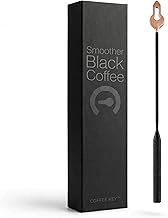
Coffee Key™ Coffee Stirrer That Softens Bitterness for Smoother, More Balanced Coffee
The Coffee Key™ is a specialty stirring tool designed to alter the flavor compounds in already-brewed coffee. According to the manufacturer, the stirrer's design works by mechanically interacting with bitter molecules during stirring, which can help soften the sharp, astringent notes that over-extraction or high brewing temperatures often leave behind.
This approach is fundamentally different from adjusting grind size, water temperature, or brew time. Those methods prevent bitterness from forming in the first place. The Coffee Key™ is a post-brew solution: you use it after the coffee is already in your cup. That makes it useful if you're drinking coffee made by someone else, using a machine you can't control, or simply want a quick fix without re-brewing.
The stirrer is priced at $44.99 and carries a 4.3/5 rating. It's a single-purpose tool, so its value depends on how often you encounter bitter coffee that you can't remake. If you brew at home and can adjust your grind or temperature, those changes will deliver more consistent results. But if you regularly face bitter coffee in situations where you can't control the brewing process - office coffee, hotel rooms, or borrowed equipment - the Coffee Key™ offers a portable, immediate workaround.
Keep in mind that this tool doesn't address the root cause of bitterness. It's a flavor modifier, not a brewing correction. For consistent, balanced coffee, focus first on proper extraction. Use the Coffee Key™ as a backup for situations where you can't control the variables upstream.
- ✅ Post-brew solution for coffee you can't remake
- ✅ Portable and easy to use in any setting
- ✅ No need to adjust brewing equipment or technique
- ⚠️ Doesn't prevent bitterness at the source
- ⚠️ Single-purpose tool at $44.99
- ⚠️ Less effective than fixing grind size or water temperature
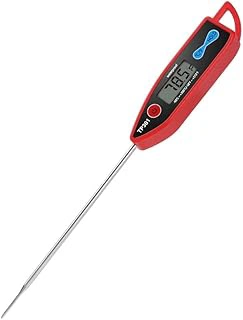
Yacumama Digital Instant Read Waterproof Thermometer with Long Probe
The Yacumama Digital Instant Read Waterproof Thermometer offers an affordable way to eliminate temperature guesswork when brewing coffee. Its long probe design allows you to measure water temperature directly in your kettle or brewing vessel, helping you stay within the multiple - multiple°F range that extracts balanced flavor without bitterness.
At $8.40, this thermometer makes precise temperature control accessible without investing in a variable-temperature kettle. The waterproof construction means you can measure directly in hot water, and the instant-read display gives you a quick temperature check before pouring. This is particularly useful if you're heating water in a standard kettle or microwave and need to know when it's cooled to the ideal brewing range.
The tool is straightforward: insert the probe into your water, wait a moment for the reading to stabilize, and adjust your timing accordingly. If your water is too hot, wait multiple - multiple seconds and check again. This simple feedback loop helps you build consistency across brews and removes one of the most common causes of over-extraction and bitterness.
For anyone brewing coffee with equipment that lacks built-in temperature control, this thermometer provides a low-cost, practical solution to dial in your water temperature and reduce bitter notes in your cup.
- ✅ Affordable price point at $8.40
- ✅ Long probe for direct kettle measurement
- ✅ Waterproof design for safe use in hot water
- ✅ Instant-read display for quick checks
- ✅ Helps maintain the 195 - 205°F brewing range
- ⚠️ Requires manual temperature checks before each brew
- ⚠️ No built-in alert or timer features
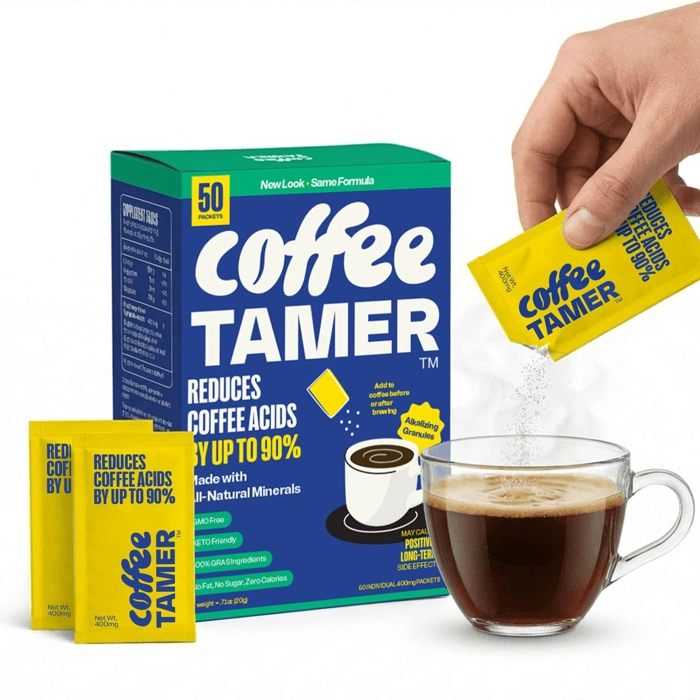
Coffee Tamer Coffee Acid Reducer Granules
Coffee Tamer Coffee Acid Reducer Granules offer a post-brew solution for bitterness and acidity when adjusting your brewing method isn't practical. These granules are designed to be added directly to brewed coffee, making them a convenient option if you're working with coffee that's already prepared or you want a quick fix without changing your routine.
The product works by neutralizing compounds that contribute to sharp, bitter flavors after extraction. This approach is best suited for situations where you can't control brew variables - office coffee, hotel stays, or when using someone else's equipment. Simply add the granules to your cup, stir, and the flavor profile softens within seconds.
Keep in mind that this is a correction tool rather than a brewing improvement. If your coffee tastes bitter because of over-extraction, stale beans, or water that's too hot, addressing those root causes will always produce better results. Coffee Tamer is most useful when you need immediate relief from acidity or bitterness in coffee you didn't brew yourself, or when digestive comfort is a priority alongside flavor.
The granules are flavorless and don't add sweetness or alter the coffee's body, so the underlying coffee character remains. One container provides multiple servings, and the granules dissolve quickly without residue. If you frequently encounter bitter coffee in situations where you can't control the brew, this product adds flexibility to your routine.
- ✅ Works on already-brewed coffee without changing your routine
- ✅ Dissolves quickly and doesn't add flavor or sweetness
- ✅ Useful for travel, office, or situations where you can't control brewing
- ⚠️ Doesn't address the root cause of bitterness
- ⚠️ Less effective than fixing extraction or bean quality
- ⚠️ Requires carrying granules if you're away from home
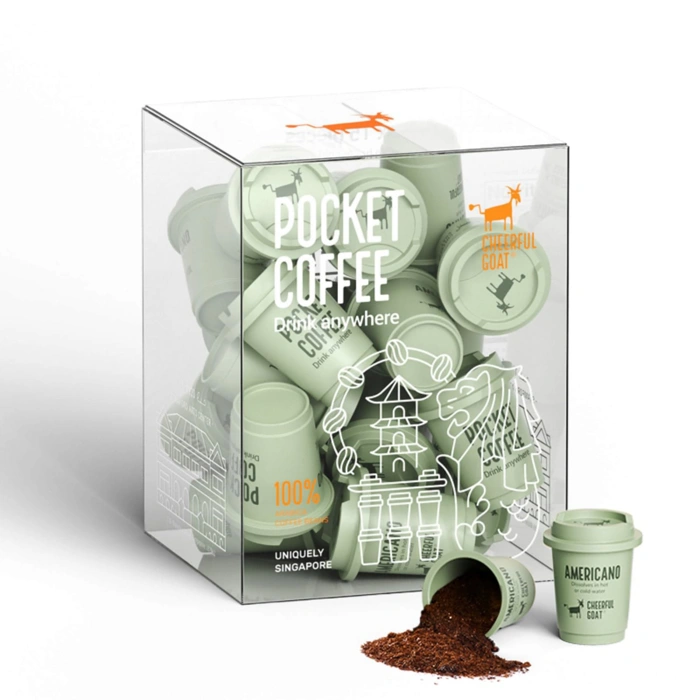
CheerfulGoat Instant Cold Brew Coffee Javy Coffee Extract 100% Arabica, Freeze-Dried
CheerfulGoat Instant Cold Brew Coffee Javy Coffee Extract offers a freeze-dried concentrate made from 100% Arabica beans that sidesteps the temperature-related extraction issues common in hot brewing. Because cold brew naturally extracts fewer bitter compounds than hot water methods, this instant format delivers a smoother cup without the wait of traditional cold steeping.
The concentrate dissolves in cold water, milk, or your preferred liquid, letting you control strength by adjusting the amount you use. This flexibility helps if you've found hot-brewed coffee consistently tastes too harsh - you can dial in a milder profile without managing grind size, water temperature, or steep time.
Rated 4.4 out of 5, the product suits anyone who wants cold brew convenience without overnight steeping or specialized equipment. The freeze-dried format also travels easily and stays shelf-stable longer than fresh beans exposed to air and moisture.
Keep in mind that instant concentrates won't replicate the nuance of freshly ground, carefully brewed coffee. If you enjoy experimenting with origin, roast, and brew variables, this product trades those hands-on controls for speed and consistency. It works best as a quick solution when hot brewing has disappointed or when you need a reliably smooth result in seconds.
- ✅ Cold extraction avoids high-temperature bitterness
- ✅ Freeze-dried format dissolves instantly in cold or warm liquids
- ✅ Adjustable strength by concentrate amount
- ✅ No grinder, brewer, or overnight steep required
- ✅ Shelf-stable and travel-friendly
- ⚠️ Less control over bean origin and roast profile than whole-bean brewing
- ⚠️ Instant format may lack the complexity of fresh-ground coffee
- ⚠️ Fixed flavor profile - limited customization beyond dilution
Quick Fixes You Can Try Right Now
- Lower your water temperature to 195-205°F
- Shorten your brew time by 30 seconds
- Use a coarser grind if brewing drip or French press
- Add a small pinch of salt to neutralize bitterness
- Switch to fresher beans roasted within the last month
- Clean your brewer to remove built-up oils