We may earn a commission when you buy through links on this page, at no extra cost to you. How this works.
You want fast, good coffee at home without the complexity of espresso machines or the blandness of drip. Both the Moka pot and the AeroPress promise quick results, but they work differently and deliver distinct flavors.
The Moka pot brews on the stovetop using steam pressure, producing a strong, concentrated coffee with a bold, traditional character. The AeroPress uses manual air pressure to push water through grounds, creating a clean, versatile cup that can range from espresso-style to lighter brews depending on your technique.
Speed matters for both, but so do flavor preferences, cleanup habits, and how much control you want over the brewing process. The Moka pot rewards consistency and patience with a rich, full-bodied result. The AeroPress offers more flexibility and forgives small variations in technique.
This guide explains what separates these two brewers and how to pick based on your taste, routine, and priorities. You'll learn how each one works, what flavors they produce, how much effort they require, and which situations favor one over the other.
Who This Decision Is For
This guide is for anyone who wants better coffee at home without the wait, the counter space, or the price tag of an automatic machine. If you're spending too much at cafés or disappointed by weak drip coffee, a Moka pot or AeroPress offers a compact, manual alternative that fits tight budgets and small kitchens.
Both brewers cost less than $50, take up minimal space, and produce a cup in under five minutes once water is hot. Neither requires filters you'll run out of mid-week or complex maintenance routines. The Moka pot delivers a bold, espresso-style concentrate that works well with milk, while the AeroPress brews a clean, versatile cup you can adjust by changing steep time and pressure.
This decision matters if you're looking for a repeatable morning routine that doesn't depend on someone else's skill or schedule. You don't need to be a coffee hobbyist to benefit - just someone who values consistency, portability, and the ability to make a satisfying cup without waiting for a machine to heat up or a pot to finish dripping.
The choice comes down to whether you prefer the hands-off simplicity of stovetop brewing or the control and cleanup ease of a plunger-style device. Both are reliable entry points, but they suit different tastes and tolerances for trial and error.
What Each Brewer Actually Does
A Moka pot sits on your stovetop and uses steam pressure to brew. Water in the bottom chamber heats until steam builds enough force to push near-boiling water up through a basket of finely ground coffee, then into the top chamber. The result is a strong, concentrated brew that tastes closer to espresso than drip coffee, though it lacks the crema and precision of true espresso. The entire cycle takes three to five minutes once the stove is hot.
An AeroPress works by hand. You add coffee and hot water to a chamber, stir briefly, then press a plunger to force the mixture through a paper or metal filter into your cup. The gentle pressure and short steep time produce a smooth, clean cup with less this product than most other methods. Total brew time is around two minutes, not counting the time to boil water separately.
Both brewers finish in under five minutes and deliver concentrated coffee, but the Moka pot automates the pressure with heat while the AeroPress requires you to control every variable manually. That difference shapes everything from flavor to cleanup.
Flavor Profile: Bold vs Clean
The two brewers produce fundamentally different cups. A Moka pot delivers bold, concentrated coffee with a heavier body and noticeable this product - similar to what you'd expect from stovetop espresso. The high-pressure steam extraction brings forward darker, roasted notes and a richness that stands up well in milk drinks or holds its own if you enjoy intense, straight coffee. If your usual café order leans toward cappuccinos, cortados, or anything with a strong espresso base, the Moka pot's flavor profile will feel familiar and satisfying.
The AeroPress produces a cleaner, smoother cup with less this product and more clarity. Its immersion-then-press method highlights the coffee's nuanced flavors - fruit, floral, or cocoa notes come through more clearly. This makes it a better match for black coffee drinkers who want to taste the origin characteristics of their beans. If you appreciate pour-over or filter coffee for its this product and balance, the AeroPress will align with those preferences.
Think about how you currently drink coffee. If you add milk or prefer a strong, punchy flavor that cuts through sweetness, the Moka pot's boldness is an advantage. If you drink black coffee and value clarity over intensity, or if you find espresso-style coffee too bitter, the AeroPress offers a gentler, more articulate cup. Neither is objectively better - your choice depends on whether you prioritize power or precision in flavor.
Daily Routine: Stovetop vs Press
A Moka pot requires a heat source and a few minutes of your attention. You fill the bottom chamber with water, pack medium-fine coffee into the metal basket, screw the top on, and set it over a burner. As the water heats, pressure forces it up through the coffee, and you listen for the familiar gurgling that signals the brew is almost finished. Pull it off the stove promptly to avoid a bitter, over-extracted taste. The process is straightforward, but you need to stay nearby and commit to standing at the stove for a few minutes each morning.
An AeroPress works differently. You add coffee to the chamber, pour hot water directly over the grounds, give it a quick stir, and press down with steady hand pressure. There's no stovetop involved, which makes it easier to use in an office, a dorm, or anywhere you have access to hot water. The pressing step takes a bit of arm effort, but the entire method is more portable and hands-on. You control the water temperature separately, which gives you slightly more flexibility but also means one extra step if you're heating water in a kettle.
For daily convenience, the Moka pot fits best if you already spend time at the stove in the morning and prefer a routine that doesn't require pressing or stirring. The AeroPress suits people who value portability, want to brew coffee away from a kitchen, or appreciate the ability to tweak brew time and water temperature without waiting for a stovetop cycle. Both methods are quick once you know the steps, but the AeroPress edges ahead in versatility while the Moka pot rewards consistency and simplicity at home.
Common Mistakes to Avoid
Getting the grind wrong is the fastest way to ruin a cup from either brewer. Too fine in a Moka pot causes bitter over-extraction and can clog the filter, while too coarse leaves you with thin, sour coffee. AeroPress is more forgiving, but a grind that's too coarse shortens contact time and produces weak results, and powder-fine grounds slip through even the paper filter.
Overheating the Moka pot is another frequent error. Leaving it on high heat after the coffee starts flowing scorches the brew and creates a burnt, metallic taste. Pull it off the burner as soon as you hear gurgling, and use medium heat throughout the process.
With the AeroPress, skipping the stir after adding water means uneven extraction. A quick 10-second stir ensures all the grounds are saturated and contributing to flavor. Some brewers also pour boiling water directly onto the grounds, which can scald lighter roasts and introduce this product; let water cool for 30 seconds after boiling, especially for medium and light beans.
Expecting true espresso from either device sets you up for disappointment. The Moka pot produces strong, concentrated coffee, but it lacks the pressure and crema of an espresso machine. The AeroPress makes clean, full-bodied coffee but won't replicate espresso's thickness or texture.
Finally, many users fill the Moka pot with cold water and wonder why it takes so long or tastes metallic. Preheating your water cuts brew time and reduces the chance of a cooked, tinny flavor. Small adjustments to grind, heat, and technique make the difference between frustration and a reliable morning cup.
Final Recommendation: Pick Based on Taste and Setup
If you want smooth, clean coffee with no this product and value portability, the AeroPress is your pick. It requires no stove, brews in under two minutes, and travels easily. You control every variable, making it ideal for lighter roasts and experimenting with flavor profiles. It's the better choice if you drink coffee black or occasionally add a splash of milk.
Choose the Moka pot if you prefer bold, concentrated coffee with body similar to espresso. It shines with medium and dark roasts, and the resulting brew holds up well in milk drinks like lattes or cappuccinos. You'll need stovetop access and a few extra minutes, but the flavor is richer and more intense. If you like strong coffee and already cook on the stove, the Moka pot fits naturally into your routine.
Both brewers cost under $40, make coffee faster than most drip machines, and deliver better flavor than pod systems. Neither requires filters you'll run out of - the AeroPress uses inexpensive paper filters, and the Moka pot needs none. If you're unsure, start with the one that matches your taste preference. You can always add the other later; many coffee drinkers keep both and choose based on mood or the day's schedule.
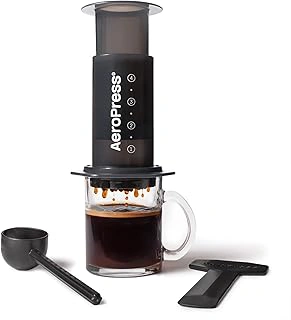
AeroPress Original Portable Coffee & Espresso Maker with Filters
The AeroPress Original offers a cleaner, smoother cup than a Moka pot, using full immersion and gentle air pressure instead of steam. You brew directly into your mug, press for about multiple seconds, and get a concentrate you can dilute to taste or drink straight - no burnt notes or stovetop babysitting required.
Because it's plastic and weighs only a few ounces, the AeroPress travels easily and works anywhere you have hot water. Campers, office workers, and anyone brewing in a dorm or hotel room appreciate that portability. The kit includes multiple paper micro-filters, which trap sediment and oils for a noticeably brighter, tea-like clarity compared to the heavier body of Moka coffee.
Control is straightforward: adjust your grind size, steep time, and water temperature to shift strength and flavor. Bloom the grounds for twenty seconds, stir, press - every variable is in your hands. That flexibility suits black-coffee drinkers who want to highlight origin character rather than mask it with milk.
At $39.95, the AeroPress costs less than most stovetop brewers and includes a year's worth of filters in the box. Cleanup takes fifteen seconds under the tap; you push the puck into the compost and rinse the chamber. No scrubbing aluminum, no gasket maintenance, no limescale buildup on a valve.
The tradeoff is ceremony. Moka pots bubble and hiss; the AeroPress is quiet and manual. If you value theater or want to fill multiple cups at once, this single-serving brewer may feel too minimal. But for someone who prioritizes flavor clarity, ease of cleanup, and the ability to brew anywhere, the AeroPress delivers repeatable results without the fuss of a stove or the AeroPress Original Portable Coffee & Espresso Maker with Filters that steam extraction can introduce.
- ✅ Cleaner, smoother flavor with no burnt or bitter notes
- ✅ Portable plastic design works anywhere with hot water
- ✅ Includes 350 paper micro-filters in the box
- ✅ Simple 30-second press with fast cleanup
- ✅ $39.95 price includes filters for a year
- ⚠️ Single-serving brewer, not suited for multiple cups at once
- ⚠️ Lacks the visual ceremony of stovetop brewing
- ⚠️ Requires manual pressing for each cup
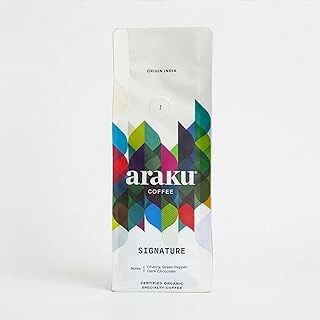
ARAKU Signature Medium Roast Specialty Arabica Whole Bean Coffee 250g
Medium roast whole bean coffee gives you flexibility when you own both an AeroPress and a Moka pot, and ARAKU Signature Medium Roast Specialty Arabica delivers that versatility in a 250g bag. This specialty-grade Arabica sits at a roast level that preserves enough ARAKU Signature Medium Roast Specialty Arabica Whole Bean Coffee 250g for clean AeroPress extractions while offering the body and richness that work well in a Moka pot's pressure-driven brew.
The medium roast profile means you can grind fine for the Moka pot without pulling harsh, overly dark flavors, and you can grind medium for the AeroPress without losing the sweetness and clarity that make immersion brewing enjoyable. If you switch between brewers day to day, keeping one bag that performs in both contexts saves shelf space and reduces decision fatigue in the morning.
At $31.49 for 250 grams, this is a premium-priced option - roughly double the cost per gram compared to supermarket whole beans. The specialty Arabica designation signals careful sourcing and processing, which often translates to cleaner flavor and fewer defects, but the smaller package size may feel limiting if you brew multiple cups daily. The 4.2 out of 5 rating reflects consistent quality, though some drinkers may prefer a darker roast for the Moka pot or a lighter roast for the AeroPress depending on personal taste.
If you're still experimenting with grind size and brew time on either brewer, a medium roast like this one is forgiving. It won't punish small extraction errors the way a light roast can taste sour or a dark roast can turn bitter. For households that use both methods regularly, a single versatile bean simplifies your setup and keeps your grinder dialed in one range instead of two.
- ✅ Medium roast works well in both AeroPress and Moka pot
- ✅ Specialty Arabica quality offers clean, consistent flavor
- ✅ Forgiving roast level reduces extraction errors
- ⚠️ Premium price at $31.49 for 250g
- ⚠️ Small package size for daily multi-cup brewing
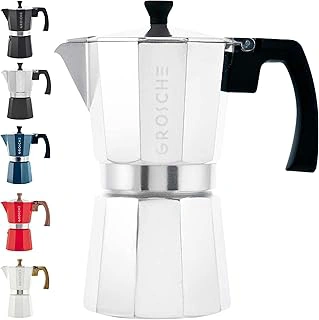
GROSCHE Milano Moka Pot | 6 Espresso Cup - 9.3 oz | Stovetop Espresso Percolator & Coffee Maker – Portable, Ideal for Home and Camping
The GROSCHE Milano delivers bold, espresso-like coffee on any stovetop, making it a strong choice if you prefer concentrated, full-bodied brews or plan to build milk-based drinks. This 6-cup Moka pot brews 9.3 oz of rich coffee in minutes using steam pressure, creating the syrupy texture and intensity many associate with Italian café culture.
Stainless steel construction makes the Milano durable and suitable for gas, electric, and camping stoves, though you'll need direct heat - it won't work on standard induction unless you use an adapter disc. The 6-cup capacity is measured by Italian espresso-cup standards, yielding roughly three standard servings, which works well for solo drinkers who want multiple cups or couples sharing a pot.
Brewing with the Milano requires attention: you fill the base with water, pack the basket with medium-fine grounds, and monitor the stovetop as pressure builds. Once coffee starts flowing into the upper chamber, you remove it from heat to avoid GROSCHE Milano Moka Pot | 6 Espresso Cup - 9.3 oz | Stovetop Espresso Percolator & Coffee Maker – Portable, Ideal for Home and Camping. This hands-on ritual takes practice, but it becomes quick once you learn the timing for your stove and grind size.
The Milano suits you if you enjoy robust, espresso-strength coffee, want a brewer that doubles as camping gear, and appreciate the classic stovetop method. If you need precise control over extraction or prefer lighter, filter-style coffee, an immersion or pour-over brewer may be a better match. At $44.99 with a 4.4/5 rating, the Milano balances affordability with the traditional Moka pot experience.
- ✅ Produces bold, espresso-like coffee suitable for milk drinks
- ✅ Stainless steel build works on gas, electric, and camping stoves
- ✅ 6-cup (9.3 oz) capacity serves 2 - 3 standard cups
- ✅ Portable and durable for travel or outdoor use
- ⚠️ Requires stovetop and careful heat monitoring
- ⚠️ Needs adapter for induction cooktops
- ⚠️ Hands-on brewing process demands practice to avoid bitterness
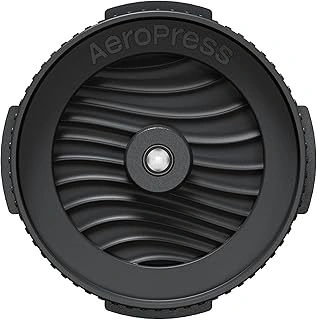
AeroPress Standard Size Flow Control Filter Cap
The AeroPress Standard Size Flow Control Filter Cap replaces the standard cap and lets you slow down or pause water draining through the coffee bed. This optional accessory gives you more control over extraction time, which can help fine-tune flavor when you're experimenting with grind size, water temperature, or steeping duration.
At $24.95, the cap isn't necessary for everyday AeroPress brewing - the standard cap works perfectly well for quick, clean cups. But if you want to explore longer immersion techniques or mimic pour-over profiles without buying a second brewer, this cap opens up that flexibility. It's a screw-on attachment that fits the original AeroPress and the AeroPress Go, with a simple valve mechanism that lets you control flow by twisting.
The cap is useful if you already enjoy the AeroPress and want to expand your recipe options without learning a new device. It won't transform your coffee overnight, but it does give you a straightforward way to experiment with extraction variables. If you're happy with your current AeroPress routine and don't feel limited by brew time, you can skip this accessory. If you find yourself wanting more control or noticing your coffee tastes under- or over-extracted, the flow control cap offers a low-cost way to dial things in without adding complexity to your counter.
- ✅ Adds extraction control without buying a new brewer
- ✅ Simple screw-on installation with twist valve
- ✅ Works with both standard AeroPress and AeroPress Go
- ✅ Expands recipe options for experimentation
- ⚠️ Not essential for basic AeroPress brewing
- ⚠️ $24.95 price may feel steep for a single accessory
- ⚠️ Adds an extra step to the brewing process
What Matters Most When Choosing
- Taste preference: bold and espresso-like or smooth and clean?
- Kitchen setup: do you have stovetop access or prefer no heat source?
- Milk drinks: planning lattes or cappuccinos, or drinking black?
- Cleanup tolerance: both are easy, but Moka pot has more metal parts to rinse
- Portability: AeroPress travels better; Moka pot needs a stove
- Brewing control: AeroPress offers more recipe flexibility and shorter steep times