We may earn a commission when you buy through links on this page, at no extra cost to you. How this works.
Creano White Porcelain Pour Over Coffee Dripper for Filter Bags Size 4
Heat retention, durability, taste impact—here's what actually matters when choosing between ceramic and glass.
Use the matching tool first
Start with Home Coffee Upgrade Path Planner if you want to narrow the fit before checking current offers.
Most pour over shoppers compare cone angle and rib design but skip the material question - then wonder why their brew tastes thin or their dripper cracked after six months. Ceramic and glass drippers look similar on a shelf, but the way each handles heat, survives daily use, and interacts with your coffee can shift flavor clarity, extraction consistency, and how often you replace the thing.
Ceramic holds temperature longer, which matters when you pour slowly or brew larger batches. Glass cools faster but lets you watch the drawdown in real time, a useful cue for adjusting grind. Durability splits the same way: ceramic survives drops onto tile better than glass, but thermal shock from cold rinses can crack either material if you rush. Price and taste neutrality land close enough that the decision hinges on your counter habits and whether you value insulation or transparency.
This guide walks through heat retention differences, durability trade-offs, how each material interacts with flavor, and the practical details - weight, cleaning, cost - that shape your morning routine. No vague material science, just the attributes that change whether your dripper works with your workflow or against it.
Heat Retention: How Ceramic and Glass Compare
Ceramic drippers hold heat significantly longer than glass because their thicker walls and lower thermal conductivity reduce heat loss during extraction. This means water temperature stays more stable from the first pour to the last, which matters when you're brewing larger volumes or working through multiple cups in a row. Glass, by contrast, cools faster - sometimes noticeably so in colder kitchens or if you pour slowly - and that temperature drop can shift extraction slightly, especially in the final stages of the brew.
When does heat retention make a real difference? If you're brewing a full 20-ounce batch that takes three to four minutes, ceramic's steady warmth helps maintain consistent extraction throughout. The same applies on cold mornings when your kitchen is drafty or if you pause between pours to froth milk or prep a second cup. Glass drippers perform well in warm kitchens and with faster brewing techniques, but the thin walls mean they shed heat quickly once you stop pouring.
Ceramic's advantage becomes clearer when you brew back-to-back cups without preheating between rounds. The retained warmth from the first brew gives you a head start on the second. Glass requires a fresh preheat rinse each time to avoid starting with a cool vessel. For single-cup brewers in moderate conditions, the difference is subtle, but if your routine involves longer contact times or multiple servings, ceramic's thermal mass offers more forgiveness.
Durability and Care: Which Material is More Practical?
How well a dripper survives daily use matters as much as how it brews. Ceramic drippers are heavier and more stable on a carafe, but that weight becomes a liability if you fumble one onto tile or stone - edges and spouts chip easily, and those chips can harbor coffee oils or even cut your hand. Once chipped, ceramic often stays functional but looks worn. Glass drippers weigh less and feel delicate, and a hard drop onto a countertop usually means replacement rather than repair. The thinner walls that make glass responsive to temperature also make it fragile under impact.
Cleaning habits reveal another difference. Ceramic hides coffee stains inside its opaque walls, so you might not notice oil buildup until you scrub the inside and see the residue on your sponge. Glass shows everything - every streak, every tannin deposit, every mineral spot from hard water. That transparency keeps you honest about maintenance, and you know immediately when the dripper is truly clean. Both materials handle hot water and dish soap without issue, and both are dishwasher-safe on the top rack, though hand-washing extends their life by reducing the chance of clinking against other items.
Your kitchen habits should guide the choice. If you brew half-awake and have a history of knocking things over, the extra weight of ceramic provides some insurance, though it won't save you from a hard fall. If you value being able to see the bloom, watch the drawdown, and confirm cleanliness at a glance, glass makes those checks effortless. Ceramic suits someone who prioritizes heat retention and doesn't mind periodic close inspection for buildup; glass suits someone who wants visual feedback and accepts the need for careful handling.
Impact on Taste: Does the Material Affect Your Coffee's Flavor?
Both ceramic and glass drippers are inert materials that won't add flavors, odors, or chemical tastes to your coffee. The real question is how each material influences extraction consistency, which can indirectly shape the cup you taste.
Ceramic holds heat longer once warmed up, creating a more stable brewing environment from the first pour to the last. That consistency matters when you're working with delicate, fruit-forward beans or lighter roasts that need even extraction to bring out clarity and sweetness. When temperature dips mid-brew, you risk under-extracting those nuanced flavors and ending up with a sour or flat cup.
Glass cools faster, so the brewer loses heat between pours if you're not deliberate. Preheating your glass dripper with hot water and maintaining a steady pour rhythm can close that gap. For medium to dark roasts that are more forgiving, the difference often goes unnoticed.
Brew technique - grind size, water temperature, pour speed, and timing - has a much larger effect on flavor than the dripper material itself. If your fundamentals are dialed in, either material will deliver a clean, expressive cup. Ceramic simply offers a bit more margin for error when heat stability becomes the deciding factor in extraction quality.
Aesthetics and Price: Comparing Style and Value
Choosing between ceramic and glass often comes down to how you want your dripper to look on the counter and how much you're willing to spend for that aesthetic. Ceramic drippers come in a wide range of colors and finishes - matte white, glossy black, earth tones, even hand-glazed designs - so they can blend into your kitchen or serve as a decorative accent. They also hide stains and wear better over time, keeping a cleaner appearance even after hundreds of brews.
Glass drippers are transparent, which means you can watch the coffee bloom, see the water spiral through the grounds, and observe the entire extraction in real time. For brewers who treat the process as a ritual or want to troubleshoot their technique visually, that clarity is valuable. Glass does show water spots and coffee residue more easily, but a quick rinse usually keeps it looking sharp.
Price-wise, ceramic and glass drippers typically sit in a similar range, though ceramic models tend to be slightly more expensive due to the glazing and firing process. You're rarely looking at a big cost difference - maybe a few dollars - so budget alone won't decide for most people. The real question is whether you want your dripper to disappear into your routine or become a visible, engaging part of the morning show.
Our Recommendation: Which Dripper is Right For You?
If you're still unsure which material suits your morning routine, ceramic drippers offer the most consistent results with less effort. Their superior heat retention makes them more forgiving during slower pours or pauses, which means your coffee stays within the ideal brewing temperature even if your technique isn't perfectly dialed in yet.
Glass drippers work beautifully when preheated and paired with a steady pour. The visual feedback is genuinely useful for learning and troubleshooting, and the neutral surface won't hold onto oils or flavors between brews. If you enjoy watching the bloom and monitoring flow rate in real time, glass delivers that experience without compromise.
For most home brewers starting out, ceramic is the safer choice. It holds temperature naturally, requires less ritual to perform well, and produces reliably balanced cups across different grind sizes and pouring speeds. Glass becomes the better option when you value transparency during extraction or prefer lighter cleaning routines.
Neither material will ruin your coffee or limit what you can achieve. The real drivers of cup quality remain grind consistency, water temperature, and pour control. Once those fundamentals are in place, the choice between ceramic and glass comes down to whether thermal stability or visual clarity fits better into how you like to brew each morning.
Quick Decision Guide: Which Material Fits Your Routine?
- Choose ceramic if you brew slowly, make multiple cups back-to-back, or want better heat retention without constant preheating
- Choose glass if you like watching the bloom, want to easily see when the dripper needs cleaning, or prefer a lighter dripper on narrow carafes
- Pick ceramic if you value color options, a more permanent kitchen aesthetic, or slightly better chip resistance during everyday handling
- Pick glass if you want transparency during brewing, don't mind preheating in winter, or prioritize lightweight portability
- Both materials are inert, dishwasher-safe, and produce identical flavor when technique is consistent
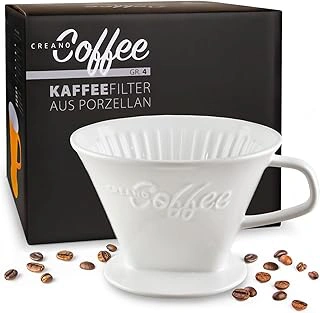
Creano White Porcelain Pour Over Coffee Dripper for Filter Bags Size 4
The Creano White Porcelain Pour Over Coffee Dripper offers ceramic construction at a price point that makes porcelain accessible without stepping up to premium Japanese imports. Built to work with size 4 filter bags, the dripper fits standard cone filters and sits securely on most mugs and carafes.
Porcelain holds heat better than glass during the pour, which helps maintain a stable brewing temperature when you're working through a slower, manual extraction. The white finish stays neutral in any kitchen setup and cleans up easily after each use. At $20.99, this dripper positions itself as a mid-range option for users who want the thermal benefits of ceramic without the cost of hand-thrown or artisan alternatives.
The 4.7 out of 5 rating reflects consistent feedback around its straightforward design and reliable performance with standard cone filters. Because porcelain is less prone to thermal shock than thinner glass, you can preheat the dripper with hot water without worrying about sudden temperature changes causing damage.
This dripper works well if you value heat retention and a classic, minimalist look over the visual feedback that clear glass provides. The trade-off is that you can't watch the coffee level rise inside the cone, so timing and pour technique become more intuitive. For users prioritizing thermal stability and durability in a ceramic format, the Creano dripper delivers both at a competitive price.
- ✅ Porcelain construction retains heat during brewing
- ✅ Works with standard size 4 cone filters
- ✅ Priced competitively at $20.99 for ceramic material
- ✅ White finish cleans easily and fits any kitchen style
- ⚠️ Opaque material prevents visual monitoring of coffee level
- ⚠️ Heavier than glass alternatives
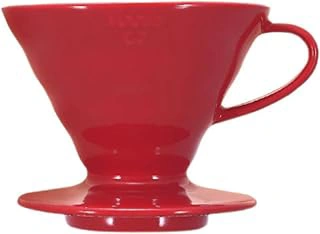
HARIO VDCR-02R V60 02 Coffee Dripper Ceramic Red Coffee Drip for 1-4 Cups
The Hario V60 ceramic dripper has earned its reputation as a benchmark in pour over coffee. This red ceramic model accommodates the listed size and uses the iconic conical shape with spiral ribs that guide water flow and promote even extraction across the coffee bed.
Ceramic construction holds heat longer than glass, which helps maintain stable brewing temperature throughout your pour. The material is dense enough to preheat reliably and sturdy enough to resist chips during daily use. The 60-degree cone angle gives you control over contact time, and the large single opening at the bottom lets you adjust flow rate by changing your pour speed.
At $25, this dripper sits in the middle of the price range for quality ceramic options. The 4.6 out of 5 rating reflects consistent performance across a wide user base. Hario's V60 system is widely supported - filters, servers, and accessories are stocked by most coffee retailers, so replacing consumables or expanding your setup is straightforward.
This dripper works well for anyone who wants a proven tool with a large community of users sharing recipes and techniques. The ceramic version is heavier than plastic or glass alternatives, which adds stability on the counter but makes it less portable. If you prioritize heat retention and are brewing at home rather than traveling, the ceramic V60 delivers reliable results without requiring you to master an obscure technique.
- ✅ Ceramic holds heat for stable brewing temperature
- ✅ Conical design and spiral ribs support even extraction
- ✅ 1-4 cup capacity fits most household needs
- ✅ Wide availability of compatible filters and accessories
- ⚠️ Heavier than glass or plastic, less suited for travel
- ⚠️ Ceramic can chip if dropped on hard surfaces