We may earn a commission when you buy through links on this page, at no extra cost to you. How this works.
AeroPress Original Coffee Press Manual Brewer
Not sure which manual brewing method to start with? We compare learning curve, taste, cost, and cleanup.
Use the matching tool first
Start with Home Coffee Upgrade Path Planner if you want to narrow the fit before checking current offers.
If you've decided that your automatic drip machine or pod brewer isn't delivering the flavor you want, manual brewing is the logical next step - but it quickly splits into two very different paths. Pour over and French press both promise better coffee than push-button convenience can offer, yet they ask for different skills, produce distinct flavor profiles, and fit into morning routines in their own ways.
Pour over gives you clarity and control. The slow, deliberate pour through a paper or metal filter highlights the bright, nuanced notes in lighter roasts and rewards attention to detail. French press delivers body and richness. The immersion method and metal mesh preserve oils and fine particles that create a heavier cup, often best suited to medium and dark roasts.
This guide walks through the practical differences that matter when you're starting out: how each method shapes taste, what the learning curve actually looks like, the up-front and ongoing costs, how much counter space and cleanup time you'll need, and which approach aligns with your daily schedule. By the end, you'll know which brewing method fits your priorities without needing to become a coffee hobbyist or buy equipment twice.
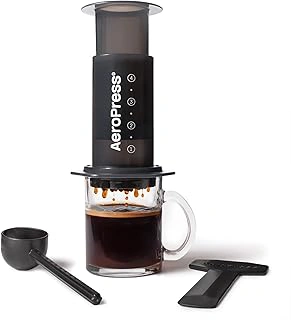
AeroPress Original Coffee Press Manual Brewer
The AeroPress Original Coffee Press sits between traditional pour over and French press brewing, offering a faster, more forgiving path for anyone starting out. It uses immersion brewing like a French press but adds gentle air pressure to extract coffee in about multiple seconds, then filters through paper for a cleaner cup than mesh allows. Priced at $30.95 with a 4.6 out of 5 rating, the AeroPress removes much of the technique anxiety that can slow down pour over learning while delivering better clarity than French press for those who dislike sediment.
Setup and cleanup stay simple. You place a paper filter in the cap, add coffee and water, stir briefly, press the plunger through, and eject the puck straight into the trash. The whole brewer rinses clean in seconds, no grounds lodged in mesh or stuck to glass. Durability comes from sturdy plastic construction that survives drops and travel, making it practical for daily use or camping. Beginners appreciate the short contact time and room for experimentation without needing precise pouring skill or worrying about over-extraction from a long steep.
This brewer works well if you want one device that lets you explore immersion and pressure variables without committing to the ritual of pour over or the body and cleanup of French press. It brews a single serving at a time, so households wanting to make multiple cups quickly may still prefer a larger French press. The AeroPress rewards curiosity - you can adjust grind size, water temperature, steep time, and pressure to shift flavor without sophisticated equipment or a steep learning curve.
- ✅ Fast 90-second brew time with minimal technique required
- ✅ Paper filter produces clean, sediment-free coffee
- ✅ Simple cleanup with no mesh to scrub or grounds to dig out
- ✅ Durable plastic construction survives travel and daily use
- ✅ Versatile for experimenting with immersion and pressure variables
- ⚠️ Single-serving capacity limits efficiency for multiple cups
- ⚠️ Requires ongoing paper filter purchases
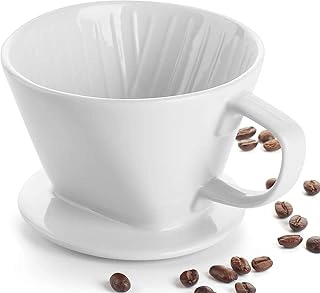
DOWAN Porcelain Manual Pour Over Coffee Maker
The DOWAN Porcelain Manual Pour Over Coffee Maker offers an inexpensive entry point if you want to try pour over brewing without committing to premium gear. Priced at $14.99 and rated 4.6 out of 5, this porcelain dripper retains heat better than many plastic alternatives, which helps maintain stable water temperature during extraction.
Porcelain construction means the dripper won't absorb flavors or odors over time, and it's easy to clean after each use. That said, this dripper still requires a gooseneck kettle for controlled pouring and patience to dial in your technique. If you don't already own a kettle with a narrow spout, you'll need to factor that into your budget.
This dripper works well as a test platform: spend fifteen dollars to see whether the slower pace and hands-on control of pour over fits your morning routine. If you discover you prefer the method, you can always upgrade to gear with built-in features later. If pour over feels too involved, you've invested less than the cost of three cafe drinks to find out.
- ✅ Affordable $14.99 entry into pour over brewing
- ✅ Porcelain retains heat well during extraction
- ✅ Won't absorb flavors or odors over time
- ⚠️ Requires separate gooseneck kettle purchase
- ⚠️ Demands technique practice for consistent results
Taste and Body: What to Expect from Each Cup
The most noticeable difference between pour over and French press sits in your cup. Pour over produces a cleaner, brighter coffee with more clarity. The paper filter traps oils and fine particles, leaving a cup that highlights individual flavor notes - fruity, floral, or tea-like qualities become easier to notice. The mouthfeel is lighter and crisper, which many drinkers describe as smooth without weight.
French press takes the opposite approach. Because the metal mesh filter allows oils and micro-grounds to pass into your cup, the result is fuller body and heavier mouthfeel. You get bolder, richer flavor with more texture on your tongue. The same coffee that tastes bright in a pour over will taste rounder and more robust in a French press, though some of the subtle notes may blend together.
Neither method is objectively better. The right choice depends on what you want from your morning coffee. If you prefer clean, nuanced cups where you can pick out specific flavors, pour over fits that goal. If you want rich, full-bodied coffee with bold character and noticeable weight, French press delivers that experience. Some mornings call for clarity, others for comfort - understanding this difference helps you choose the method that matches your taste rather than chasing an imaginary ideal.
Ease of Use: Comparing the Learning Curve and Daily Process
French press brewing follows a straightforward routine that repeats reliably every morning. Add coarsely ground coffee to the carafe, pour hot water over the grounds, set a timer for four minutes, press the plunger slowly downward, and pour. The wide opening makes it easy to scoop grounds in and out, and the metal mesh filter requires no folding or rinsing. Because the coffee steeps in full contact with water, small variations in your pour speed or water distribution don't change the outcome much. You can walk away during the steep and return to consistent results.
Pour over brewing asks for more attention at each step. Rinse the paper filter with hot water to remove papery taste and preheat the dripper, add medium-fine grounds in an even bed, then pour water in a slow, controlled spiral starting from the center and working outward. The initial bloom pour wets the grounds and lets trapped carbon dioxide escape for about thirty seconds. After that, you continue pouring in steady circles, maintaining a consistent water level without flooding the bed or letting it run dry. The entire process takes three to four minutes, but you're actively pouring for most of that window.
The pour over learning curve centers on pouring technique. A gooseneck kettle with a narrow spout gives you the control needed to avoid channeling, where water finds a fast path through the grounds and leaves some coffee under-extracted. Uneven pouring can result in sour or weak spots in the cup. With practice over a week or two, most beginners develop a rhythm and can produce balanced cups, but the method rewards patience and attention in a way French press does not.
French press is more forgiving when you're half-awake or multitasking. Pour over fits routines where you enjoy the ritual and have a few uninterrupted minutes to focus on the process.
Required Equipment: What You'll Need to Get Started
Getting started with either method requires a short list of essentials, though the specifics differ enough to affect both your upfront budget and ongoing costs.
For French press brewing, you need the press itself, coarse ground coffee, a kettle to boil water, and ideally a burr grinder if you're buying whole beans. A kitchen scale helps with consistency but isn't strictly necessary once you learn your preferred coffee-to-water ratio by eye. The setup is straightforward: no filters to buy, no specialized pouring technique to master.
Pour over demands a bit more precision. You'll need a dripper that sits on your mug or carafe, paper filters that match the dripper size, a burr grinder, and a scale to measure both coffee and water accurately. The gooseneck kettle deserves special mention here - while any kettle can work for French press, pour over really benefits from the slow, controlled stream a gooseneck spout provides. Without it, you'll struggle to wet the grounds evenly and maintain the spiral pouring pattern that extracts flavor properly.
The recurring cost difference is worth flagging early. Paper filters add up over time, typically a few cents per cup depending on the brand and where you buy in bulk. French press has no ongoing consumables beyond coffee itself. If you're brewing daily, that filter expense becomes another small line item in your coffee budget, though most beginners find it negligible compared to the cost of good beans.
Both methods assume you're starting with quality, freshly roasted coffee and a way to grind it just before brewing. Pre-ground coffee works in a pinch, but a burr grinder - even an inexpensive hand-crank model - makes a bigger difference in cup quality than almost any other upgrade. For pour over, grind consistency matters even more because uneven particles lead to uneven extraction when water passes through just once.
Cost of Entry: Comparing the Initial Investment
Budget matters when you're just getting started with manual brewing. A French press offers one of the lowest entry points in specialty coffee - many reliable models cost between $15 and $30, and you can find functional options even cheaper. Pour over drippers themselves are similarly affordable, with ceramic, plastic, and glass cones typically priced between $10 and $20.
The difference emerges when you add the supporting gear. French press brewing works with any kettle you already own, including an electric model or stovetop option. Pour over brewing, however, benefits significantly from a gooseneck kettle to control water flow and hit the narrow target zones on the coffee bed. A decent gooseneck kettle adds $25 to $60 to your initial outlay, pushing the total startup cost higher.
Both methods require a grinder for best results, and that expense applies equally. But pour over also introduces an ongoing cost: paper filters run roughly $5 to $10 per hundred, depending on brand and size. French press uses a permanent mesh filter built into the plunger, so there's no recurring expense once you own the brewer.
If your budget is tight and you want to start brewing better coffee immediately, French press delivers the lower total investment and no consumables to reorder.
Cleanup and Maintenance: Which Method is Easier?
After every brew, cleanup matters more than most beginners expect - especially before the first cup of coffee kicks in. Pour over wins here by a clear margin. Once brewing finishes, you lift out the paper filter with all the grounds inside, toss it in the compost or trash, and give the dripper a quick rinse under warm water. The ceramic or plastic cone has no moving parts, no mesh to scrub, and dries in seconds. Total time is usually under 30 seconds.
French press cleanup takes a bit more attention. You need to unscrew the plunger assembly, scoop or shake the wet grounds from the glass carafe into the trash, then rinse the mesh screen to clear trapped fines. Coffee oils cling to the metal filter, so a good rinse - or occasional scrub with dish soap - keeps flavor neutral between brews. The carafe, plunger rod, and filter plate all need rinsing, which adds up to a minute or two. It's not difficult, but it is noticeably slower than dumping a paper filter.
One trade-off to consider: pour over generates paper waste with each brew, while French press uses a reusable metal filter indefinitely. If you value speed and simplicity in your morning routine, pour over is the easier choice. If you prefer zero disposable waste and don't mind spending an extra minute at the sink, French press cleanup is still manageable and more sustainable over time.
Our Recommendation: Which Method is Best for a Beginner?
For most beginners, the French press is the better starting point. It costs less upfront, requires no filters or extra accessories, and produces consistent coffee without mastering pouring technique or timing precision. You can focus on coffee-to-water ratio and steep time - two variables instead of five - and still walk away with a full-bodied cup that tastes like coffee, not a science experiment gone wrong.
French press forgives small mistakes. A few seconds over four minutes won't ruin the batch. Water temperature can drift ten degrees without disaster. The plunger gives you tactile feedback, and cleanup takes one rinse. If your morning routine involves kids, pets, or simply getting out the door on time, that simplicity matters more than any tasting note.
Pour over rewards patience and attention with brighter, cleaner coffee that highlights origin character and fruity or floral notes. But it also punishes uneven pouring, inconsistent grind, and wobbly timing. You'll spend more on a good kettle, learn to spiral your pour, and probably brew a few sour or bitter pots before the method clicks. That learning curve is worth it if you enjoy the ritual and want to taste the difference between a washed Ethiopian and a natural Colombian. Just know it's a longer road to consistency.
Start with French press if you want reliable coffee now and room to experiment with beans and ratios later. Choose pour over if you're genuinely curious about technique, willing to buy a gooseneck kettle and scale, and excited by the idea that small adjustments change the cup. Neither method is objectively better - one fits beginners who value ease, the other fits beginners who value control.
Quick Decision Checklist: Which Method Fits Your Routine?
- Choose French press if you want the simplest daily process and most forgiving technique
- Choose pour over if you prefer cleaner, brighter coffee and don't mind learning a slower, more deliberate routine
- Pick French press if you want to minimize startup cost and avoid recurring filter purchases
- Pick pour over if fast cleanup and minimal parts appeal more than technique flexibility
- Consider the AeroPress if you want an easy hybrid method that combines immersion brewing with quick cleanup