We may earn a commission when you buy through links on this page, at no extra cost to you. How this works.
You bring home a bag of specialty coffee beans - maybe a single-origin Ethiopian or a carefully roasted blend - and the first cup is bright, aromatic, and exactly what you hoped for. A week later, the same beans taste flat, dull, or faintly stale, and you're left wondering what went wrong.
The problem isn't the roaster or your brewing technique. It's what happens between the bag and the cup. Four invisible enemies - oxygen, light, heat, and moisture - start breaking down flavor compounds the moment beans leave the roaster, and most home storage habits make it worse.
This guide walks through the science behind coffee freshness, clears up persistent myths about freezing and vacuum-sealing, and shows you a straightforward system to keep beans tasting the way the roaster intended. You'll learn which container features actually matter, how long different storage methods preserve flavor, and how to match your setup to the way you buy and brew coffee.
By the end, you'll have a clear plan to protect your investment in good beans without buying gadgets you don't need or following rituals that add hassle but no real benefit.
Why Proper Coffee Storage Matters More Than You Think
Coffee beans begin losing their peak flavor within days of roasting, not weeks. The oils and aromatic compounds that give coffee its complexity start breaking down the moment beans are exposed to oxygen, light, heat, and moisture. If you've noticed your coffee tasting flat, dull, or unexpectedly bitter even when brewed correctly, stale beans are often the hidden culprit.
Most coffee drinkers focus on grind size and brew technique but overlook how they store their beans between uses. A bag left open on the counter, beans kept in a clear glass jar near a sunny window, or grounds frozen and thawed repeatedly can all destroy flavor faster than a poor brewing method ever will. The difference between fresh and stale coffee isn't subtle. Fresh beans release a strong aroma when the bag opens and produce a fragrant bloom during brewing. Stale beans smell faint or papery and yield a cup that tastes one-dimensional or harsh.
Storage directly impacts the chemical stability of the bean. Oxygen causes oxidation, which turns those desirable fruity or nutty notes into cardboard flatness. Light accelerates the breakdown of oils, leaving beans tasting rancid. Heat speeds up all degradation processes, and moisture introduces the risk of mold while diluting flavor. Understanding these enemies makes it clear why a sealed, opaque container kept in a cool, dark place is not optional - it's the foundation of good coffee at home.
Proper storage won't make low-quality beans taste exceptional, but it will preserve whatever quality you started with. The effort required is minimal, and the payoff shows up in every cup. If you care enough to buy whole beans and grind them fresh, the next logical step is protecting them from the four factors that silently rob your coffee of its character.
The 4 Enemies of Coffee Freshness: Air, Light, Heat, and Moisture
Coffee beans begin losing their freshness the moment roasting ends, and four environmental factors speed up that decline. Understanding how air, light, heat, and moisture degrade your beans helps explain why storage choices matter more than most home brewers realize.
Air is the most relentless enemy. Oxygen triggers oxidation, a chemical reaction that breaks down the aromatic oils and organic compounds responsible for coffee's flavor and aroma. Within days of exposure, beans lose their bright, complex notes and develop flat, stale, or even rancid characteristics. The larger the surface area exposed and the longer the contact, the faster this degradation happens.
Light accelerates the same process. Ultraviolet rays break molecular bonds in the coffee oils, turning vibrant flavors dull and papery. Even indirect sunlight or bright kitchen lighting can speed up flavor loss, which is why clear glass jars on the counter work against freshness no matter how airtight the seal.
Heat destabilizes the volatile compounds that give coffee its character. Beans stored near the stove, dishwasher vent, or sunny windowsill lose aromatics quickly as warmth causes those delicate oils to evaporate or degrade. Temperature swings also push oils to the bean surface, leaving a greasy film and shortening shelf life.
Moisture introduces two problems. High humidity allows beans to absorb water, diluting flavor and creating conditions for mold growth. Condensation from temperature changes - moving beans from fridge to counter, for example - coats the surface and accelerates staleness. Even small amounts of moisture compromise both flavor and safety.
Each of these enemies compounds the others. A warm, bright countertop exposes beans to three threats at once, while an open bag in a humid kitchen invites all four. Proper storage isolates your beans from these factors, preserving the roast profile and extending the window of peak flavor.
Common Storage Myths Debunked: The Fridge, the Freezer, and the Original Bag
The refrigerator might keep your milk fresh, but it's one of the worst places for coffee beans. Cold air pulls oils to the surface, and every time you open the bag, condensation forms. Beans are porous, so they absorb moisture along with odors from leftovers, cheese, and anything else sharing the shelf. The result is stale, flat coffee that tastes like yesterday's dinner.
The freezer gets recommended often, but it only works under specific conditions. If you buy in bulk and plan to store beans for months, portion them into airtight, opaque containers and freeze once. Thaw completely before opening to avoid condensation. Repeated freeze-thaw cycles destroy the cell structure and accelerate staleness. For daily use, the freezer creates more problems than it solves.
Leaving beans in the original bag is convenient until you realize most bags aren't truly airtight after opening. Even bags with a tin-tie or fold-over closure let oxygen seep in. The one-way valve that kept beans fresh during shipping stops being effective once you break the seal. Light and air begin degrading the oils within days.
Room temperature storage in an opaque, airtight container beats all three. No moisture swings, no odor transfer, no light exposure. If you go through a bag in two weeks, this simple shift preserves the flavor you paid for without the guesswork of freezer protocols or the risk of fridge contamination.
The Best Way to Store Coffee Beans at Home: Step-by-Step
Once you understand the enemies of coffee freshness, the storage protocol becomes straightforward. The goal is to minimize exposure to oxygen, light, heat, and moisture every time you handle your beans.
Start with an airtight container made from opaque material - ceramic, stainless steel, or dark glass with a reliable seal. Transparent jars might look attractive, but light accelerates staling. Transfer your beans as soon as possible after opening the original bag, squeezing out as much air as you can before sealing.
Choose a storage location that stays cool, dry, and dark. A pantry or cabinet away from the stove, dishwasher, or any appliance that generates heat works well. Countertop canisters near the coffee maker are convenient but often sit in warm or bright spots that shorten shelf life. Room temperature in a stable environment is better than fluctuating conditions.
Limit how often you open the container. Each time you break the seal, you introduce fresh oxygen and humidity. If you brew multiple times a day, consider splitting your supply: keep a small amount in your daily container and store the rest separately. This way, the bulk of your beans remains sealed longer.
Whole beans stay fresh for two to four weeks after roasting when stored properly. Ground coffee loses its peak flavor within minutes of grinding, so only grind what you need for each brew. If you buy in bulk, portion your beans into smaller airtight containers or vacuum-sealed bags, opening one at a time as you finish the previous batch.
Avoid the temptation to refrigerate or freeze beans for everyday use. Temperature swings and condensation create more problems than they solve unless you're committing to long-term storage and can keep the beans sealed until they return to room temperature. For most home brewers, buying smaller quantities more often and following this simple routine delivers consistently fresh coffee without added complexity.
What to Look for in a Coffee Storage Container
A good coffee storage container protects beans from the four enemies - air, light, heat, and moisture - so the features that matter most are airtight seals and light-blocking materials. A tight-fitting lid with a silicone or rubber gasket keeps oxygen out far better than a twist-on metal cap or cork stopper. Many purpose-built canisters use clamp-down or screw-thread lids that compress the gasket evenly around the rim, creating a seal that slows staling by days or weeks compared to a loose jar lid.
Opaque or tinted materials block UV and visible light that degrade coffee oils and aromatics. Stainless steel, ceramic, and dark glass all work well; clear glass jars may look attractive on the counter but let light reach the beans unless you store them inside a cupboard. If you prefer to see your beans, choose smoked or amber glass rather than clear.
Size matters for practical reasons. A container that holds roughly one twelve-ounce bag of whole beans - around 1.5 to 2 liters - minimizes empty headspace once you pour in a fresh batch. Too much air inside the canister means more oxygen in contact with the beans. Buying a canister that matches your usual purchase size keeps the ratio of coffee to air favorable and reduces the number of times you open and close the lid each week.
Some canisters include a one-way CO2 release valve, which lets freshly roasted beans off-gas carbon dioxide without allowing oxygen back in. This feature is helpful if you buy beans within a few days of roasting, but it is less critical once the beans have rested for a week. The valve adds a small amount of cost and complexity; if your roaster already rests beans before bagging or you buy from a grocery shelf, a simple airtight seal will serve you just as well.
Cheap glass jars with snap-on plastic lids or flip-top wire bails rarely seal tightly enough to slow oxidation. The gaskets harden or warp after a few months, and the metal wire can stretch. Purpose-built coffee canisters use thicker gaskets, heavier lid mechanisms, and materials chosen for durability and impermeability. The performance difference shows up as longer-lasting aroma and flavor, especially if you keep beans for two weeks or more between purchases.
How to Buy Coffee Beans for Maximum Freshness
Buying coffee beans with a clear strategy matters just as much as how you store them once they're home. Even perfect storage cannot rescue beans that sat on a shelf for months before you opened the bag. The goal is to start with the freshest possible product and consume it while the flavor compounds are still vibrant.
Whole beans retain freshness longer than pre-ground coffee because the protective outer structure stays intact until you grind. Once coffee is ground, the surface area exposed to oxygen multiplies, and staling accelerates within hours. If maximum freshness is the priority, always choose whole beans and grind only what you need for each brew.
The roast date is the single most useful piece of information on any coffee bag. Beans typically reach peak flavor between three days and two weeks after roasting, then begin a slow decline. Some darker roasts hold up slightly longer, but most coffees lose noticeable complexity after the two-week mark. Check the label for a roast date, not just a best-by date, and calculate backward from your expected consumption rate.
Smaller, more frequent purchases align with the two-week window better than buying in bulk. If you brew one cup each morning, a 12-ounce bag will last roughly two weeks. Buying a five-pound bag to save money often means the last pound sits past its prime. Plan your purchase size around how quickly you actually drink coffee, and resist the urge to stockpile unless you have a plan to freeze portions immediately.
Local roasters and online sellers with high turnover offer the best odds of receiving freshly roasted beans. Small-batch roasters often roast to order or ship within days of roasting, while large retail chains may stock bags that have been sitting in warehouses or on shelves for weeks. Ask questions about roast schedules, or look for sellers who list roast dates prominently on their website. Fast delivery matters less if the beans were roasted a month before they shipped.
Reputable sources will always print or stamp a roast date on the bag. If a package shows only a vague best-by date or no date at all, that's a signal the beans may already be past their flavor peak. Avoid buying from bulk bins unless the store rotates stock frequently and labels the roast date clearly, since those beans sit exposed to air and light every time the bin is opened.
Building a routine around fresh purchases takes a little planning, but the difference in cup quality is immediate. Buy whole beans in quantities that match your two-week consumption, check every roast date before you buy, and prioritize sellers who treat coffee as a perishable product rather than a shelf-stable commodity.
Frequently Asked Questions About Coffee Bean Storage
Frequently Asked Questions About Coffee Bean Storage
How long do coffee beans stay fresh after opening? Whole beans retain peak flavor for about two to three weeks after roasting if stored properly in an airtight container at room temperature. Ground coffee loses freshness much faster - typically within a week - because the increased surface area accelerates oxidation and volatile compound loss.
Can I store coffee beans in the freezer? Freezing can preserve beans for longer periods if you do it correctly: portion beans into airtight, freezer-safe bags, remove as much air as possible, and only thaw what you need for one to two weeks at a time. Never refreeze beans or open the container while frozen, since condensation introduces moisture that degrades flavor and can cause off-tastes. For most home routines, room-temperature storage in an opaque, airtight container works better and avoids the risks that come with temperature swings.
Does my storage container need a one-way valve? A one-way valve lets carbon dioxide escape without letting oxygen in, which helps during the first few days after roasting when beans degas most actively. If you buy freshly roasted beans, a valve reduces pressure buildup and protects flavor. For beans that have already rested a few days or store-bought coffee past the initial degassing window, a simple airtight seal without a valve performs just as well.
What's the difference between storing whole beans and ground coffee? Whole beans have a protective outer structure that slows oxidation and moisture absorption. Grinding breaks that structure into thousands of small particles, each exposed to air, light, and humidity. This means ground coffee stales in days rather than weeks. If you want the freshest cup, grind only what you need right before brewing and keep the rest as whole beans in your airtight container.
Should I store different roasts separately? Yes, if you want to preserve the distinct flavor profile of each roast. Light roasts emphasize bright, fruity notes that can be overpowered by the bolder, caramelized flavors of dark roasts. Storing them in separate airtight containers prevents flavor transfer and lets you enjoy each roast as intended. Label each container with the roast date so you use the oldest beans first and maintain a clear rotation.
Final Thoughts: Small Changes, Big Difference
Proper storage is one of the simplest upgrades you can make to your daily coffee routine. Unlike expensive grinders or elaborate brewing methods, protecting your beans from air, light, heat, and moisture costs almost nothing and delivers noticeable results within a few days.
The core principle is straightforward: keep beans in an airtight, opaque container stored in a cool, dry, dark place. Buy whole beans in quantities you can finish within two to three weeks, and grind only what you need right before brewing. These small adjustments preserve the volatile compounds that create aroma and flavor, so each cup tastes closer to what the roaster intended.
If you've been storing coffee in its original bag on the counter or keeping pre-ground coffee in the freezer for months, the contrast will be immediate. Fresh beans smell brighter, taste more balanced, and leave less flat or stale aftertaste. You don't need to change your brewing technique or buy new equipment - just follow the step-by-step protocol outlined in this guide and pay attention to how your morning cup evolves over the next week.
Coffee loses quality every day after roasting, but thoughtful storage slows that decline dramatically. Start with one change tonight, whether that's transferring beans to a proper container or moving your current jar away from the stove, and taste the difference tomorrow morning.
Quick Reference: Coffee Storage Best Practices
- Store beans in an airtight, opaque container immediately after opening the original bag
- Keep the container in a cool, dry, dark cabinet away from the stove, oven, or window
- Only open the container when you need beans; minimize air exposure
- Buy whole beans in quantities you'll use within two to three weeks
- Check the roast date before purchasing; avoid beans roasted more than a month ago
- Never store beans in the fridge or freezer unless freezing in bulk for long-term storage
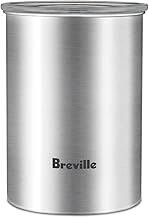
Breville BES030BSS Bean Keeper Airtight Coffee Canister, Brushed Stainless Steel
The Breville BES030BSS Bean Keeper delivers airtight protection in a durable brushed stainless steel canister that fits comfortably on most kitchen counters. The twist-lock lid creates a reliable seal to keep oxygen and moisture away from your beans, and the integrated date tracker dial on top helps you monitor when you opened the bag - a simple feature that removes guesswork from your routine.
This canister holds enough for a typical larger bag with a bit of headroom, making it suitable for most home coffee drinkers who buy beans weekly or biweekly. The stainless steel body resists dents and scratches better than glass or ceramic alternatives, and the opaque construction keeps light from degrading the oils inside your beans.
At $49.05, the price sits higher than basic canisters, but the build quality reflects the investment. The lid mechanism feels solid after repeated use, and the materials hold up without developing the wobble or worn gaskets common in budget options. This isn't a vacuum-seal system or a multi-compartment organizer - it's a straightforward storage solution that does one job well.
The Breville Bean Keeper works best for anyone who buys fresh beans regularly and wants dependable protection without managing valves, pumps, or complicated sealing steps. If you go through a bag every one to two weeks and value a container that will last years rather than months, this canister justifies its cost through consistent performance and durability.
- ✅ Airtight twist-lock lid keeps oxygen and moisture out
- ✅ Durable brushed stainless steel construction resists damage
- ✅ Integrated date tracker dial for easy freshness monitoring
- ✅ Opaque body blocks light exposure
- ✅ Holds typical 12 oz bags with room to spare
- ⚠️ Higher price point than basic storage canisters
- ⚠️ No vacuum-seal mechanism for extended storage
- ⚠️ Single-size option may not fit larger bulk purchases
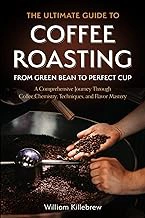
The Ultimate Guide to Coffee Roasting: From Green Bean to Perfect Cup
Understanding the roasting process can change how you think about storage.The Ultimate Guide to Coffee Roasting: From Green Bean to Perfect Cupwalks through the transformation coffee undergoes before it reaches your kitchen, explaining why freshness matters so much and how roast profiles influence what you taste in the cup.
The book covers green bean selection, roasting techniques, and flavor development in straightforward language. For readers who want to understand why beans lose aroma over time or how roast level affects shelf life, this context makes storage decisions clearer. You'll see how oils migrate to the surface during darker roasts and why lighter roasts can stay stable longer under the right conditions.
At $13.99, it's a practical investment if you're curious about the full coffee chain or considering home roasting. The book doesn't require equipment or prior knowledge - it simply builds your understanding of what happens between harvest and brew. That knowledge reinforces why airtight containers, cool temperatures, and quick use after opening matter so much.
This guide suits readers who enjoy knowing the mechanics behind their morning cup. If you're content focusing only on storage without diving into roast chemistry, you can skip it. But if you want to connect the dots between roasting, degassing, and optimal freshness windows, the book delivers useful perspective that complements any storage routine.
- ✅ Explains roasting and freshness in accessible language
- ✅ Helps connect roast profiles to storage needs
- ✅ Useful for readers considering home roasting
- ✅ Affordable resource at $13.99
- ⚠️ Not essential if you only need storage guidance
- ⚠️ Focused on roasting rather than storage techniques

The Curious Barista's Guide to Coffee
Understanding how to store coffee beans properly becomes more valuable when you also understand what makes beans worth storing in the first place.The Curious Barista's Guide to Coffeeoffers a clear, approachable introduction to coffee sourcing, brewing methods, and flavor development - context that helps you recognize quality beans and handle them with care.
The book walks through practical topics like bean origin, roasting styles, and how brewing variables affect taste. Readers who want to connect storage habits to the bigger picture of coffee quality will find useful explanations without dense jargon or overly technical language. The 4.6-star rating reflects its accessibility for home brewers who are curious but not obsessive.
This guide works well as a companion resource if you've invested in good beans and want to understand why freshness, grind size, and water temperature matter. It won't teach advanced roasting science, but it will help you make more informed decisions about the coffee you buy and how you prepare it. The book is structured for pragmatic learners who prefer clear answers over coffee-culture mystique.
At $25.50, it's a reasonable addition to your coffee library if you're moving beyond pre-ground supermarket bags and want a single reference that covers the fundamentals. Pair it with proper storage habits, and you'll have both the knowledge and the tools to keep your coffee tasting the way the roaster intended.
- ✅ Approachable explanations of coffee sourcing and flavor
- ✅ Practical coverage of brewing variables and bean quality
- ✅ Accessible for home brewers without dense jargon
- ✅ Useful companion for understanding freshness and storage context
- ⚠️ Does not cover advanced roasting science
- ⚠️ Broader focus means less depth on storage alone