We may earn a commission when you buy through links on this page, at no extra cost to you. How this works.
Spending five dollars on a latte every morning adds up fast, but most home brewing methods leave you with coffee that tastes watery the moment you add milk. Drip machines and single-serve pods often produce coffee too mild to survive even a splash of steamed milk, let alone a full cappuccino or latte.
Two affordable brewers stand out for making coffee strong enough to hold its own in milk drinks: the moka pot and the AeroPress. The moka pot uses steam pressure on the stovetop to push water through finely ground coffee, creating a bold, espresso-like concentrate. The AeroPress relies on manual air pressure to force water through grounds in about a minute, producing a smooth, concentrated cup with less this product.
Both cost under fifty dollars, take up minimal counter space, and skip the complexity of an espresso machine. Yet they work in completely different ways, and those differences matter when you want a home latte that doesn't taste like warm milk with a coffee-colored hint.
This comparison focuses on four practical factors: how strong the coffee tastes in milk, how easy each brewer is to use on a busy morning, how much cleanup you'll face, and what the true cost looks like over time. If you've been disappointed by weak homemade lattes or frustrated by fussy equipment, understanding these two methods will help you pick the one that fits your routine and taste.
Quick comparison
| Bialetti Moka Express Stovetop Espresso Maker, 3 Cups | Check current price |
| IMUSA Black 6 or 3 Cup Electric Espresso Maker | Check current price |
Use the matching tool first
Start with Coffee Brew Ratio Calculator if you want to narrow the fit before checking current offers.
Quick Decision Checklist: Moka Pot or AeroPress?
- Choose moka pot if you want the boldest, richest coffee and have a stovetop or prefer an electric burner
- Choose moka pot if you value a hands-off brew process and don't mind a few extra minutes
- Choose AeroPress if you want speed (90 seconds), easy cleanup (30 seconds), and portability
- Choose AeroPress if you prefer cleaner, brighter coffee or want to experiment with recipes
- Both work well for lattes and cappuccinos - moka pot is heavier and more intense, AeroPress is cleaner
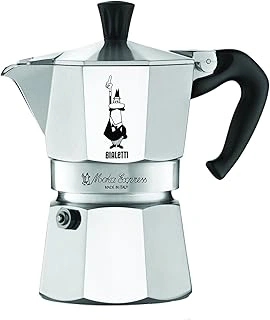
Bialetti Moka Express Stovetop Espresso Maker, 3 Cups
The Bialetti Moka Express 3-cup model has delivered strong, concentrated coffee on stovetops for decades, and its full-bodied output remains ideal for milk drinks. Priced at $39.99 with a 4.6/5 rating, this aluminum brewer uses steam pressure to push hot water through ground coffee, producing a bold, slightly bitter brew that holds its own against steamed milk in lattes and cappuccinos.
The octagonal design channels heat evenly and the three-cup capacity (roughly the listed amount fluid ounces of finished coffee) suits one generous latte or two smaller drinks. Operation is straightforward: fill the lower chamber with water, add coffee to the basket, screw the top on, and place it over medium heat. When the upper chamber fills and the brewing sound quiets, your coffee is ready. Compatible with gas and most electric burners, though induction requires a separate adapter plate.
The taste profile leans toward intensity - darker, heavier, and more textured than AeroPress, with less clarity but maximum body. This richness cuts through milk foam and sweetened drinks without fading. Durability stands out: the aluminum construction withstands daily use for years, and replacement gaskets are inexpensive when the seal eventually wears.
Cleanup requires disassembling three parts and hand-washing (aluminum reacts poorly to dishwashers). The moka pot demands attention while brewing - walk away and you risk burnt coffee or a dry boil - but the ritual suits anyone who enjoys a more involved stovetop process. If you want the boldest possible base for milk drinks and prefer simplicity over speed, the Moka Express delivers reliable strength at a modest upfront cost.
- ✅ Bold, full-bodied coffee that holds up exceptionally well in milk drinks
- ✅ $39.99 price point with decades-proven durability
- ✅ Simple stovetop operation with no filters or extra parts to replace
- ✅ Aluminum design heats evenly and withstands years of daily use
- ⚠️ Requires monitoring during brewing to avoid burnt coffee
- ⚠️ Hand-wash only - aluminum damages in dishwashers
- ⚠️ Not compatible with induction stovetops without an adapter
- ⚠️ Taste is bold and slightly bitter, which may be too intense for those who prefer cleaner coffee
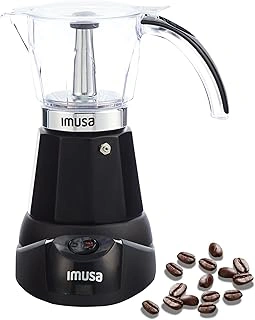
IMUSA Black 6 or 3 Cup Electric Espresso Maker
The IMUSA electric moka pot offers the concentrated, bold coffee of a traditional moka pot without needing a stovetop, priced at $34.99 with a 4.7/5 rating. This plug-in model works just like its stovetop cousins - water heats in the base, pressure pushes it through ground coffee, and you get the same strong brew that cuts through milk in lattes and cappuccinos.
Available in 3-cup or 6-cup capacity, the electric design suits dorm rooms, offices, or any kitchen where a gas or electric burner isn't convenient. You fill the reservoir, plug it in, and the heating element does the work. No flame-watching or temperature guessing required.
The tradeoff: electric moka pots tend to have more components - heating elements, cords, and internal wiring - that can wear out faster than a simple aluminum stovetop version. Durability may not match a traditional pot that can last decades. But for someone who values push-button ease and doesn't want to manage a burner, the convenience is worth considering.
This option makes the most sense for renters without gas stoves, students in limited spaces, or anyone who wants moka-style coffee strength with minimal technique. If you're already set up for stovetop brewing and prioritize longevity, a classic moka pot will likely serve you longer. But for plug-in simplicity and the same strong coffee base for milk drinks, the IMUSA delivers at an accessible price.
- ✅ No stovetop required - plugs into any outlet
- ✅ Same moka-style strength for lattes and cappuccinos
- ✅ 3 or 6 cup capacity options
- ✅ Simple push-button operation
- ✅ Accessible $34.99 price point
- ⚠️ Electric components may be less durable than stovetop models
- ⚠️ More parts that could fail over time
- ⚠️ Less portable than a traditional moka pot
Meet the Contenders: Moka Pot vs. AeroPress
A moka pot brews coffee by forcing pressurized steam through finely ground coffee, creating a rich, intense concentrate that sits somewhere between espresso and drip coffee. The aluminum or stainless-steel stovetop brewer has been a mainstay in Italian kitchens for decades, delivering bold, full-bodied coffee without electricity or complicated setups.
The AeroPress takes a different route. This portable, manual plunger uses air pressure to push water through ground coffee in roughly 90 seconds. The result is a smooth, concentrated brew with noticeably less this product than the moka pot's more assertive profile.
Both methods produce coffee strong enough to stand up to steamed milk in lattes or cappuccinos, but the workflows differ significantly. The moka pot requires a heat source and careful attention to avoid over-extraction or burnt notes. The AeroPress offers more control over steep time and water temperature, which translates to a cleaner cup with adjustable strength.
If you want intense, traditional coffee with minimal technique, the moka pot delivers straightforward results. If you prefer hands-on control and a smoother concentrate, the AeroPress rewards experimentation. Both fit compact kitchens, both travel well, and both skip the cost and bulk of an espresso machine.
Coffee Strength and Flavor Profile
The way each device brews coffee determines how it performs in milk drinks. A moka pot uses steam pressure to force water through finely ground coffee, creating a concentrated brew with heavy body and a bittersweet, bold character that sits somewhere between drip coffee and espresso. The higher brewing temperature and metal filter leave more oils and fine particles in the cup, which translates to a punchy, almost syrupy base that cuts through steamed milk with authority.
AeroPress works differently. It combines immersion brewing with gentle air pressure, using a paper or metal filter and shorter contact time. The result is a cleaner cup with less sediment, brighter acidity, and more control over extraction. You can dial in sweetness by adjusting grind size, water temperature, and steep time, making it easier to avoid the bitter edge that sometimes comes with moka pot coffee. The flavor is strong but more transparent, which some people prefer in a latte or cappuccino when they want the coffee to complement rather than dominate the milk.
Neither device produces true espresso - moka pots reach about 1.5 bar of pressure, and AeroPress delivers even less - but both make concentrated coffee that holds up well when mixed with milk. Moka pot coffee punches harder and tastes more traditional in a cappuccino, while AeroPress offers a lighter, more nuanced profile that works especially well if you enjoy tasting origin characteristics even after adding milk. If you want maximum boldness with minimal fuss, moka pot wins. If you value flexibility and a cleaner finish, AeroPress is the better choice.
Ease of Use and Daily Routine
Moka pots and AeroPress brewers follow very different workflows, and picking the right one often depends on whether you prefer a mostly hands-off process or a fast, active routine.
Brewing with a moka pot starts by filling the lower chamber with water up to the safety valve, adding medium-fine coffee to the basket without tamping, and screwing the top and bottom together. Place it on the stove over medium heat - or plug it in if you're using an electric model - and wait about four to five minutes while steam pressure pushes water through the grounds. You'll hear a gurgling sound when the coffee finishes flowing into the upper chamber. The process doesn't require much hands-on time, but you do need to stay near the stove to pull it off the heat at the right moment and avoid a burnt taste. Stovetop versions take up a burner, and electric models need counter or outlet space.
The AeroPress requires you to heat water separately using a kettle or microwave. Once the water reaches around 175 - 205°F, insert a paper or metal filter into the cap, add ground coffee to the chamber, pour in the heated water, stir for ten seconds, and press the plunger down steadily for twenty to thirty seconds. Total active time is roughly ninety seconds after the water is hot. The process is compact, portable, and doesn't need a stove or power outlet, which makes it useful for travel or small kitchens. However, it does ask you to stay involved from start to finish.
The key tradeoff is attention versus speed. A moka pot lets you step away for short stretches while it brews, but the overall wait is longer and you risk scorching if you forget to remove it from heat. An AeroPress demands continuous focus but finishes faster and gives you more control over variables like steep time and water temperature. If your mornings are rushed and you want strong coffee quickly, the AeroPress fits that rhythm. If you prefer a more passive ritual and don't mind the extra few minutes, the moka pot integrates smoothly into a slower routine.
Cleanup and Maintenance
Cleanup time matters when you're making milk drinks every morning. The moka pot requires unscrewing three separate chambers - base, funnel, and top collector - then rinsing each piece and drying them before reassembly. Coffee oils gradually coat the aluminum or steel, so every few weeks you'll want a deeper scrub to prevent rancid buildup. Electric moka pot models add gaskets, heating elements, and more crevices to navigate.
The AeroPress simplifies the routine: press the plunger to eject the coffee puck straight into the trash or compost, rinse the rubber seal and filter cap under the tap, and you're done in under thirty seconds. Paper filters handle most of the mess, leaving almost no grounds to chase around the sink.
If you value speed and minimal fuss after your latte, the AeroPress wins on daily maintenance. The moka pot isn't difficult, but it does demand a few extra minutes and periodic attention to keep the seal tight and the threads clean.
Cost and Durability
Both moka pots and AeroPress brewers fall into the same affordable category, typically costing between $30 and $50 depending on size and model. Stovetop moka pots usually start around $30 for a three-cup aluminum version, while stainless steel models can reach $50 or more. Electric moka pots add convenience but push the price slightly higher and introduce more components that can eventually fail, such as heating elements and automatic shutoff sensors.
The AeroPress sits comfortably in the $30 to $40 range and includes enough paper filters to last several months of daily brewing. Replacement filters are inexpensive - a pack of 350 costs around $10 - and the brewer itself is made from durable, BPA-free plastic that withstands years of use and travel without cracking or warping.
Moka pots are famously durable if maintained properly. Aluminum models can last decades, though they may discolor over time. Stainless steel versions resist corrosion and hold up even better. The main wear items are the rubber gasket and the filter basket screen, both of which need replacement every year or two depending on brewing frequency. These parts are widely available and cost only a few dollars each.
Neither option locks you into expensive consumables or proprietary parts, making both excellent long-term investments compared to capsule machines or traditional espresso setups. If you prioritize portability and minimal breakage risk, the AeroPress has the edge. If you value a zero-plastic brewing path and don't mind occasional gasket swaps, a stovetop moka pot will serve you just as long at a similar upfront cost.
The Verdict: Who Should Buy the Moka Pot?
The moka pot is the right choice if you want the closest thing to espresso without spending hundreds of dollars on a machine. It produces a thick, concentrated brew that stands up to steamed milk in lattes and cappuccinos better than almost any other affordable brewing method.
This brewer suits anyone who values ritual and tradition. If you enjoy the stovetop process - listening for the gurgle, watching the coffee rise - and you have a gas or electric range, the moka pot fits naturally into your morning routine. Once you dial in the grind and heat level, it requires little attention while brewing. The aluminum and stainless steel construction means a well-made moka pot can last decades with minimal care.
Moka pot coffee delivers a bold, bittersweet flavor profile that some people love and others find too intense. If you prefer bright, clean coffee or dislike any hint of this product, this method may not match your taste. The brew can turn harsh if the heat is too high or the coffee over-extracts, so there is a learning curve.
Cleanup involves rinsing and drying a few threaded metal parts. It's simple but not as fast as dumping a paper filter. And if you don't have access to a stove - or prefer not to use one - you'll need to invest in an electric moka pot, which adds cost.
In short, buy a moka pot if you prioritize strength and body for milk drinks, enjoy a hands-on stovetop method, and want a durable brewer that produces espresso-style coffee at a fraction of the machine cost. Skip it if you need portability, want minimal cleanup, or prefer lighter, less concentrated coffee.
The Verdict: Who Should Buy the AeroPress?
The AeroPress is the better choice if you want clean, concentrated coffee quickly and value easy cleanup and portability. It brews in about 90 seconds and cleans up in 30 seconds, making it ideal for busy mornings or travel. The coffee it produces works well in milk drinks, delivering a brighter, less bitter profile than a moka pot while still providing enough strength to stand up to steamed milk.
This brewer rewards experimentation. You can adjust steep time, water temperature, grind size, and whether you use the standard or inverted method to dial in different flavors. If you enjoy tinkering with your coffee routine and want flexibility, the AeroPress offers that without requiring much equipment or counter space.
It's not the right fit if you want maximum body and intensity without any hands-on involvement. The AeroPress requires you to measure, stir, press, and adjust variables each time. If you prefer a completely hands-off process or want the thickest, most syrupy espresso-style base for your lattes, a moka pot delivers that traditional intensity with less manual control. The AeroPress trades some of that heavy body for clarity and speed, which makes it a solid match for anyone who values convenience, portability, and a cleaner cup that still holds its own in milk.
Choosing the Right Brewer for Your Milk Drinks
Both the moka pot and AeroPress make strong, concentrated coffee that stands up beautifully in lattes, cappuccinos, and other milk drinks without requiring a $500 espresso machine. Your best choice depends on how you prefer to start your morning and what tradeoffs feel most comfortable in your routine.
The moka pot delivers maximum body and a bold, traditional flavor that anchors milk drinks with weight and richness. It requires a few more minutes of attention on the stove, careful heat management to avoid this product, and a slightly longer cleanup. If you value that dense, intense base and don't mind a hands-on ritual, the moka pot rewards consistency.
The AeroPress offers speed, flexibility, and minimal cleanup. You control extraction time and pressure with a simple plunge, and the entire process - from grinding to pouring - takes less than five minutes. The result is smooth, strong coffee that blends seamlessly with milk, though it lacks the heavy body some prefer for traditional cappuccinos. If your mornings move quickly or you want room to experiment with recipes, the AeroPress adapts easily.
Neither brewer is objectively better. The moka pot wins on body and tradition; the AeroPress wins on speed and ease. Both cost a fraction of what a café charges for a single week of lattes, and both allow you to dial in strength and flavor at home.
Pick the brewer that fits your daily rhythm, try it for a week, and adjust your grind size or coffee-to-water ratio until you find the balance you like. You'll have strong, café-quality milk drinks without the machine, the noise, or the expense.