We may earn a commission when you buy through links on this page, at no extra cost to you. How this works.
Paper coffee filters seem cheap at purchase, but they add up fast when you brew daily. A household brewing seven days a week goes through more than 350 filters a year, plus the packaging waste that comes with them. Reusable coffee filters eliminate that recurring expense and let you adjust brew variables like flow rate and sediment level, which directly affect flavor extraction and body.
Metal, cloth, and organic cotton filters each interact with coffee differently. Gold-plated stainless steel allows more oils and fine particles through, producing a fuller body and bolder taste. Cloth and cotton trap more oils, yielding a cleaner cup closer to paper but without the environmental cost. The material you pick will shape not just what your coffee tastes like, but also how much time you spend on cleanup and how often you need to replace the filter.
Switching to reusable filters works best when you match the material to your flavor preference and daily habits. If you value convenience and a bright, clean profile, organic cotton may suit you. If you want maximum body and don't mind rinsing after each brew, metal is the stronger choice. This guide walks through four reusable filter options tested across drip machines, comparing taste impact, ease of cleaning, durability, and fit so you can choose the one that aligns with how you actually brew.
Use the matching tool first
Start with Coffee Brew Ratio Calculator if you want to narrow the fit before checking current offers.
how to evaluate and Picked the Best Reusable Filters
Choosing a reusable coffee filter means trading convenience for flavor control, sustainability, and long-term savings. To identify the filters worth that trade, it helps to compare gold metal, organic cotton, and cloth options by brewing identical coffee through each and evaluating body, clarity, oil presence, cleanup effort, and how well they fit standard drip baskets.
We used a medium roast single-origin coffee and brewed five cups at a time in a 12-cup drip machine with a #4 cone basket, repeating the process with a flat-bottom 8-cup model to check compatibility. Each filter type went through at least ten brew cycles to assess how performance changed after initial use and washing. the available details suggest brew time, examined the grounds bed for evenness, and tasted the coffee side by side to note differences in mouthfeel and aroma carryover.
Metal filters allowed the most oils through, producing fuller body but occasionally cloudy cups. Cotton filters delivered the cleanest taste, similar to paper, but required more frequent replacement. Cloth filters balanced clarity and body while lasting longer than cotton, though they demanded careful rinsing to avoid stale odors. Cleanup time ranged from a quick tap-out for metal to a thorough rinse-and-dry routine for fabric options.
Fit mattered more than expected: filters that sat too shallow let grounds float over the edge, while overly stiff models didn't conform to cone shapes. We noted which designs worked across multiple basket styles and which required specific drip machine types. The filters below represent the best performance in each material category, chosen for consistent results, durability, and real-world usability rather than any single standout feature.
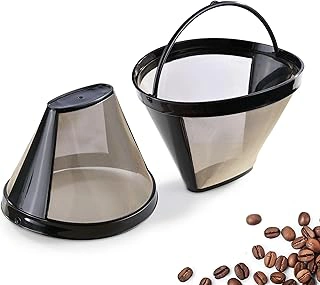
2 Pack Gold Metal Permanent Reusable Coffee Filters
Gold metal filters offer the most straightforward path to reusable brewing: rinse after use, no special care required, and years of service from a single pair. This two-pack gives you a backup while one is drying or if you want to rotate between different roasts without cross-contamination.
The fine mesh construction lets coffee oils pass into your cup, creating fuller body and richer mouthfeel than you'll get with paper. You'll notice more sediment in the bottom of your pot - a thin layer of fine grounds that settle out - but most drinkers find the trade worthwhile for the extra dimension of flavor. If you prefer completely clean coffee with no texture, paper or tightly woven cotton will suit you better.
These cone-shaped filters fit standard drip machines with cone baskets, the most common configuration in home brewers. At $8.97 for two, the upfront cost pays back quickly compared to buying disposable filters every few weeks. Cleanup takes about fifteen seconds under the tap: knock out the puck of grounds into compost or trash, rinse the mesh, and set it aside to dry.
Durability is the practical advantage here. Metal doesn't stain, tear, or wear out the way fabric can, and you won't need to track down replacement parts. For daily drip brewing where you want better flavor than paper without adding maintenance complexity, gold metal filters deliver consistent results with minimal effort.
- ✅ Two-pack provides backup or allows rotation between roasts
- ✅ Lets coffee oils through for fuller body and richer flavor
- ✅ Quick rinse cleanup with no staining or wear over time
- ✅ Fits standard cone drip machine baskets
- ✅ Low upfront cost at $8.97 for the pair
- ⚠️ Allows more sediment into the pot than paper or cotton filters
- ⚠️ Fine grounds settle at the bottom of brewed coffee
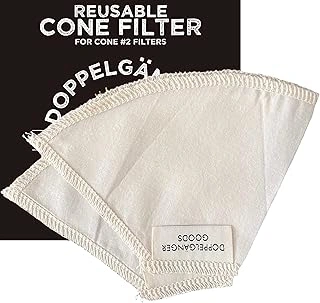
(2-Pack) Reusable Organic Cotton Cone #2 Coffee Filter — Cloth Filters for Coffee Dripper, Pour Over Coffee Dripper & Coffee Makers that Use 2-6 Cup Cone Coffee Filters
Organic cotton filters offer a middle ground between metal mesh and paper disposables, filtering out most coffee oils while still allowing reuse. This two-pack of cone #2 filters fits 2-6 cup drippers and most standard pour-over cones, making them a practical option if you already own a cone-style brewer.
The cotton weave blocks finer particles than gold mesh, which produces a cleaner cup with less sediment at the bottom. Expect a lighter body and more clarity in flavor compared to metal filters, though not quite as bright as paper. If you prefer a crisper taste profile without the environmental waste of disposables, cotton delivers that balance.
The organic cotton construction appeals to users who prioritize natural materials and want to avoid synthetic fabrics in contact with hot water. Each filter holds its cone shape well during brewing and doesn't require special hardware beyond your existing dripper.
Maintenance is the main consideration. Cotton absorbs oils over time, so you'll need to rinse thoroughly after each use and occasionally boil the filters to restore flow rate and prevent stale buildup. Without regular deep cleaning, oils can clog the weave and slow extraction. This adds a step compared to metal filters that rinse clean quickly, but less waste than buying paper weekly.
At $9.99 for two filters, the upfront cost is low. Each filter should last several months with proper care, making them cost-effective if you're willing to handle the extra cleaning routine. If you want the clarity of paper with the sustainability of reusable gear, and you already use a cone dripper, this cotton option fits that need.
- ✅ Filters out most oils for a cleaner, lighter-bodied cup
- ✅ Fits standard size #2 cone drippers and 2-6 cup coffee makers
- ✅ Organic cotton construction avoids synthetic materials
- ✅ Two-pack at $9.99 offers low upfront cost
- ⚠️ Requires thorough rinsing and occasional boiling to remove oil buildup
- ⚠️ Maintenance is more involved than metal mesh filters
- ⚠️ Cotton weave can clog over time if not cleaned regularly
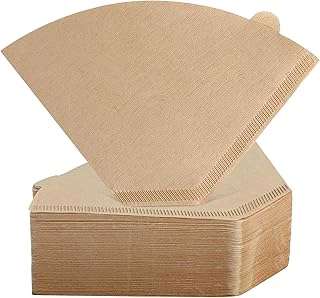
Clinuse 200Pcs Unbleached Cone #4 Disposable Paper Coffee Filters
Some mornings call for convenience without compromise. The Clinuse 200Pcs Unbleached Cone #4 filters offer a middle ground when you want the ease of disposable paper but prefer to avoid the chlorine bleaching process used in bright white filters. These unbleached filters fit standard #4 cone drip machines and produce the lightest-bodied, cleanest cup in this guide - no oils, no sediment, just straightforward coffee flavor.
The brown, unprocessed paper absorbs more oils than metal or cloth, which means you lose some of the body and aromatics that reusable filters preserve. If you brew light roasts or prefer tea-like clarity, that tradeoff works in your favor. If you love full-bodied, rich coffee, you may find these filters a bit too efficient at stripping character. The 200-count pack at $9.99 keeps the per-brew cost low enough for daily use or as a backup when your reusable filter is in the wash.
Cleanup is as simple as it gets: toss the used filter and grounds. No rinsing, no drying, no lingering coffee oils. This makes unbleached paper a practical choice for travel, busy mornings, or when you're entertaining and want to skip the extra kitchen work. Pair these with a reusable filter for flexibility - reach for paper when convenience matters, and save the reusable option for weekends when you have time to appreciate the fuller flavor it delivers.
- ✅ Unbleached paper avoids chlorine processing
- ✅ Produces the cleanest, lightest-bodied coffee
- ✅ 200-count pack offers good value for occasional or backup use
- ✅ No cleanup beyond tossing the filter
- ✅ Fits standard #4 cone drip machines
- ⚠️ Absorbs more oils, reducing body and aroma compared to reusable filters
- ⚠️ Disposable format generates waste even when unbleached
- ⚠️ Not ideal for those who prefer full-bodied, rich coffee
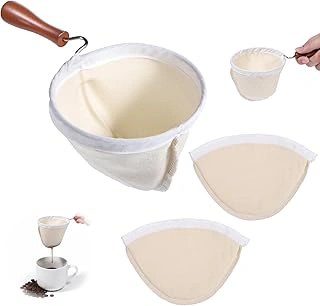
3PCS Reusable Washable Cloth Coffee Sock Strainer with Wooden Handle
The 3PCS Reusable Washable Cloth Coffee Sock Strainer with Wooden Handle offers a traditional approach to drip brewing that produces full-bodied coffee with minimal sediment. The cloth sock design allows water to flow slowly through the grounds, extracting oils and flavors that paper filters often trap, while the fine weave keeps most fines out of your cup.
Each wooden handle makes positioning the filter over a mug or carafe straightforward, and the three-pack format means you can rotate between filters while one dries. The cloth material will stain over time as oils absorb into the fabric, which is normal but worth noting if aesthetics matter to you. Hand-washing after each use is necessary - cloth filters need a thorough rinse and full air-dry to prevent mildew, so this option works best if you brew at a consistent time each day and can dedicate counter or hook space to drying.
At $9.29 for three filters, the value is strong for anyone drawn to slow-drip brewing. The 5.0 out of 5 rating reflects satisfaction among users who prioritize flavor depth and don't mind the extra maintenance. If you want richer body than metal mesh delivers and you're comfortable with a hands-on cleaning routine, the cloth sock is a practical fit.
- ✅ Produces full-bodied coffee with minimal sediment
- ✅ Wooden handle makes placement over mugs easy
- ✅ Three-pack provides rotation during drying
- ✅ Low price at $9.29 for the set
- ⚠️ Requires hand-washing and full drying after each use
- ⚠️ Cloth stains over time from coffee oils
- ⚠️ Needs dedicated drying space between brews
How Reusable Filters Change Your Coffee's Taste
The filter material you choose controls how much coffee oil and sediment reaches your cup, which directly shapes body, clarity, and mouthfeel. Metal filters use a fine mesh that blocks grounds but allows oils and micro-particles to pass through, resulting in a fuller body, richer texture, and sometimes a slight cloudiness. This style appeals to people who enjoy bold, layered flavor and the natural oils that carry aromatic compounds.
Cotton and cloth filters sit between metal and paper. They trap more oils than metal mesh but still permit some to flow through, producing a cup that feels cleaner than metal-filtered coffee yet retains moderate body. The fabric also catches finer sediment, so you get fewer particles in the last sip. If you like balanced flavor without the heavy mouthfeel of metal or the crispness of paper, cloth offers a middle ground.
Paper filters remove nearly all oils and fine particles, delivering the cleanest, lightest cup with bright acidity and clear flavor notes. Switching from paper to a reusable metal filter will immediately add body and change the flavor profile, while moving from metal to cotton or cloth will lighten it.
Think about your current brewing method and taste preference. If you already use paper and enjoy that style, a cotton or cloth reusable filter will feel closer to familiar. If you want more richness and texture, metal is the clearest departure. Understanding this tradeoff helps you pick the reusable option that fits your palate rather than forcing you to adapt to a flavor you don't prefer.
What to Look for When Buying a Reusable Filter
- Filter size and shape: match your drip machine basket (cone #2, #4, or flat-bottom)
- Material: metal for durability and body, cotton or cloth for cleaner flavor
- Mesh or weave density: finer mesh filters more sediment but may clog faster
- Ease of cleaning: metal rinses quickest, cotton and cloth need more care
- Multi-pack value: having backups means you can rotate and extend filter life
How to Clean and Maintain Your Reusable Filter
Keeping your reusable filter clean affects both flavor and how long the filter lasts. Oils and fine grounds build up quickly, and even a thin layer can turn your next pot bitter or stale-tasting.
For gold metal filters, rinse under warm running water immediately after brewing while the grounds are still wet. Use a soft brush or your fingers to clear the mesh from both sides. Once a week, soak the filter in warm water with a few drops of dish soap for ten minutes, then scrub gently and rinse thoroughly. Soap residue will taint your coffee, so spend extra time on the final rinse.
Cotton and cloth filters need a rinse right after use, just like metal. Hold the filter under warm water and squeeze gently to push out trapped oils. Every few weeks - or monthly if you brew daily - boil the fabric filter in plain water for five minutes to break down accumulated oil. Let it cool, rinse again, and check that no soapy or musty smell remains.
Air-drying is essential for every filter type. Shake off excess water and set the filter on a clean towel or drying rack in a spot with good airflow. Storing a damp filter, even for a day, invites mold and odor that will carry into your next brew. If you notice a sour or musty smell even after washing, repeat the deep-clean step or replace the filter.
Consistent care takes less than two minutes per day and protects the clean, bright flavor that made you choose a reusable filter in the first place.
Final Verdict: Is a Reusable Filter Right For You?
Reusable coffee filters make sense if you brew daily, care about waste, and don't mind a quick rinse after each pot. Metal filters deliver fuller body and more oil, which some drinkers love and others find heavy. Cotton and cloth options produce cleaner cups with less sediment, though they require thorough drying to stay fresh. If you want the lightest, most neutral flavor and maximum convenience, unbleached paper filters still win on clarity and zero maintenance.
The right choice comes down to taste preference and daily routine. Metal filters suit drinkers who enjoy rich, bold coffee and can handle a 30-second rinse. Cotton or cloth works well if you prefer clean flavor and already wash kitchen items by hand. Paper remains the easiest path if you value speed over sustainability.
For most drip-machine users who want better flavor than paper and reasonable cleanup, a gold-tone metal filter offers the best balance of body, durability, and ease of use.