We may earn a commission when you buy through links on this page, at no extra cost to you. How this works.
Manual espresso machines attract beginners who want control over their coffee without the upfront cost or complexity of automatic systems. If you're tired of pre-ground pods or automatic machines that hide every step behind a button, a manual machine lets you adjust pressure, grind, and timing to suit your taste - once you learn the basics.
The learning curve is real but shorter than most people expect. You'll spend the first few shots figuring out grind size and pressure consistency, but within a week of daily use, most beginners can pull cafe-quality espresso at home. Manual machines strip away pumps, electronics, and boilers, which means fewer parts to break and a lower barrier to entry for anyone on a budget.
Busy schedules and manual espresso aren't opposites. A manual shot takes three to five minutes from grind to cup, roughly the same time as waiting for an automatic machine to heat and brew. The difference is that you're steering the process instead of waiting passively. That hands-on rhythm becomes part of the morning routine rather than an interruption.
Cost is another practical advantage. Entry-level manual machines typically range from under fifty dollars to around two hundred, compared to mid-tier automatics that start near four hundred. You'll need a separate grinder, but the total investment still undercuts most pod systems over a year of daily use. No proprietary capsules, no descaling cycles, and no subscription fees - just coffee, water, and a few seconds of effort.
The three machines below balance affordability, ease of use, and shot consistency for beginners who want better espresso without becoming extraction scientists.
How We Chose the Best Machines for Beginners
Finding a manual espresso machine that works for someone new to espresso means balancing simplicity with enough control to pull a decent shot. We focused on machines that generate consistent pressure without requiring barista-level skill, keep the workflow short enough for a weekday morning, and stay affordable - most under $100, with one portable exception that justifies its price through travel-ready design.
Ease of operation mattered most. Machines with complicated pre-infusion routines, finicky temperature management, or multi-step assembly didn't make the cut. We looked for tools that let you add ground coffee, apply pressure, and extract espresso without consulting a manual every time.
Price was the second filter. Entry-level should mean accessible, so we set a ceiling around $100 for countertop models. The one machine above that threshold earned its spot by solving a specific problem - portability - that budget models can't address.
Pressure generation separates these three from cheaper alternatives. Each uses a different mechanism - lever pump, compressed air piston, or direct manual press - but all can reach the range needed for proper extraction when you follow basic technique. None require you to guess or compensate with grind adjustments that beginners often get wrong.
We also considered use case. One machine suits a fixed kitchen counter. Another fits in a carry-on for hotel rooms or camping. The third balances portability with home use when counter space is tight. Matching the tool to your routine matters more than picking the single "best" across all contexts, so each recommendation targets a different scenario rather than ranking them in strict order.
Which Manual Espresso Machine Is Right for You?
Choosing between these three machines comes down to where and how you make your espresso. The SHARDOR works best for home users who want a familiar countertop experience and plan to make milk-based drinks like lattes or cappuccinos - it includes a steam wand and offers the most consistent workflow for daily use. The Minipresso GR2 fits travelers, campers, and anyone who values ultra-light portability at the lowest price, though you'll need to pre-grind coffee and accept a more hands-on process. The Nanopresso sits in the middle, offering better build quality and easier pumping than the GR2 while remaining portable enough for desks, dorm rooms, or weekend trips.
All three produce genuine espresso with proper pressure and crema. None require electricity, and each one rewards patience with café-quality results once you dial in grind size and technique. If you mostly brew at home and want milk drinks, the SHARDOR is the clear choice. If you need something that fits in a backpack and costs under fifty dollars, the Minipresso GR2 delivers surprising performance. If you want portable convenience with a more refined feel and don't mind skipping milk options, the Nanopresso strikes the best balance.
Pick the machine that matches your routine: countertop stability and steam capability, absolute portability on a budget, or a polished portable experience. Start with one, practice your shots, and you'll have reliable espresso anywhere you need it.
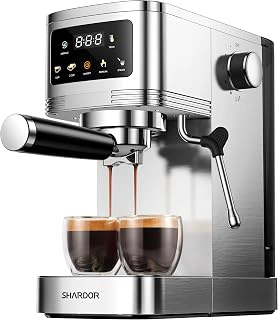
SHARDOR Espresso Machine with Milk Frother, Touchscreen, and 20 Bar Pressure
The SHARDOR Espresso Machine offers a touchscreen interface, integrated milk frother, and 20-bar pressure at $99.99, making it the most approachable option for beginners who want both espresso shots and milk-based drinks without mastering manual lever skills. This machine automates the extraction and includes a steam wand, so you can move from button-press espresso to frothed cappuccinos in one countertop setup.
With a 4.4/5 rating, the SHARDOR appeals to home users transitioning from pod machines or drip coffee who want café-style drinks but prefer guided controls over hands-on technique. The touchscreen walks you through shot selection, and the built-in frother handles milk without requiring a separate appliance or manual practice. While the marketing uses the term "manual," the touchscreen and automated pressure delivery do most of the work - this is closer to a semi-automatic experience than a lever-pull manual machine.
The 20-bar pressure spec sits at the higher end for entry machines, though real extraction happens around 9 bars; the rating reflects pump capacity rather than brewing pressure. The frother gives you flexibility for lattes and cappuccinos, and the touchscreen reduces guesswork during your first dozen shots. If you want to experiment with grind size, tamp pressure, and shot timing later, you can, but the interface makes consistent results easier from day one.
This machine suits kitchens where counter space and ease of use matter more than manual control or portability. The integrated frother means one fewer tool to store, and the touchscreen removes the learning curve that comes with traditional manual levers. For beginners who plan to make milk drinks regularly and want a single device that handles both espresso and steam, the SHARDOR delivers good value at under multiple.
- ✅ Touchscreen interface simplifies shot selection for beginners
- ✅ Integrated milk frother for lattes and cappuccinos
- ✅ 20-bar pump pressure at $99.99 price point
- ✅ Automates key steps while allowing grind and tamp experimentation
- ⚠️ Marketed as manual but functions more like a semi-automatic
- ⚠️ Requires countertop space and is not portable
- ⚠️ Pump pressure spec higher than actual brewing pressure used
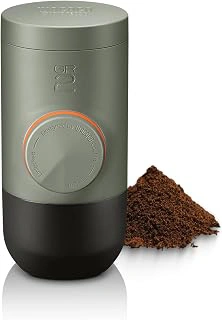
WACACO Minipresso GR2 Portable Espresso Machine, 18 Bar Manual Operation
The WACACO Minipresso GR2 makes espresso anywhere without electricity or counter space. This fully manual machine generates 18 bar of pressure through hand-pumping, letting you pull café-quality shots at your desk, campsite, or hotel room. At $54.90 and rated 4.4 out of 5, it trades the stationary convenience of plug-in machines for true portability.
Operation requires four steps: grind fresh coffee, load the basket, add hot water to the chamber, and pump the piston repeatedly to force water through the grounds. Each pump builds pressure until extraction begins. The compact design fits in a backpack or desk drawer, and the 18-bar pressure matches what commercial machines deliver, producing crema and full flavor when you use quality beans.
This is genuine manual effort. Unlike pod-based systems or the semi-automatic SHARDOR, every shot depends on your pumping rhythm and consistency. You'll need a separate grinder and hot water source, and the small basket size limits you to single shots. But for travelers, office workers without kitchen access, or anyone who values mobility over automation, the Minipresso GR2 removes the main barriers to espresso: space, power, and equipment cost.
The tradeoff is clear. You gain portability and price savings but spend more time and physical effort per shot. If you move frequently, work in varied locations, or simply refuse to surrender counter space, this machine delivers espresso where plug-in models can't go.
- ✅ No electricity required - works anywhere with hot water
- ✅ 18-bar manual pressure generates authentic crema
- ✅ Compact enough for travel bags or small workspaces
- ✅ Affordable at $54.90 compared to countertop machines
- ⚠️ Requires consistent manual pumping for each shot
- ⚠️ Single-shot capacity limits serving size
- ⚠️ Needs separate grinder and hot water source
- ⚠️ More time-consuming than electric or pod machines
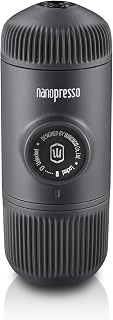
WACACO Nanopresso Portable Espresso Machine, 18 Bar Manual Operated
The WACACO Nanopresso combines portability with a refined manual pump system that generates 18 bar of pressure, offering a step up in ergonomics without sacrificing the no-electricity advantage. At $64.90 with a 4.4 out of 5 rating, it sits between ultra-compact options and full-size lever machines, making it a practical choice for users who want hand-pumped control in a more polished package.
This machine uses a piston-driven design that requires steady, rhythmic pumping to build pressure and extract espresso. The 18-bar capability supports better crema formation than lower-pressure portables, and the slightly larger water reservoir reduces the number of refills during a single shot. The ergonomic grip and pumping motion feel more controlled than earlier portable designs, which helps maintain consistent pressure throughout the extraction.
Because the Nanopresso is fully manual, you control every variable: grind size, dose, tamp pressure, and pump speed all influence the final cup. This hands-on process appeals to beginners who want to learn espresso fundamentals without the complexity of boilers, PID controllers, or power outlets. The tradeoff is that each shot requires active effort - expect multiple pumps per extraction - and results will vary as you dial in technique.
Portability remains a core strength. The compact form factor fits into a work bag or backpack, and the machine operates anywhere you have access to hot water and ground coffee. This makes it useful for office desks, hotel rooms, or camping trips where a traditional espresso setup would be impractical.
The workflow mirrors other manual portables: preheat the chamber with hot water, load your dose, tamp, attach the water reservoir, and pump until extraction completes. Cleanup involves rinsing the portafilter and wiping down seals, a process that takes a minute or two. The machine does not include a built-in grinder, so you will need pre-ground espresso or a separate grinder capable of fine, consistent grounds.
This model works best for users who value portability and manual control over speed or automation. If you prefer a quicker morning routine or want to eliminate the physical effort of pumping, a plug-in machine with a motorized pump will be a better fit. But for those who enjoy the ritual and want café-style shots without tethering to an outlet, the Nanopresso delivers reliable performance in a compact, travel-ready design.
- ✅ 18-bar manual pump supports good crema formation
- ✅ Compact and portable for travel or office use
- ✅ No electricity required - works anywhere with hot water
- ✅ Refined ergonomics and controlled pumping motion
- ✅ Hands-on control helps beginners learn espresso fundamentals
- ⚠️ Requires 30 - 40 pumps per shot, adding physical effort
- ⚠️ No built-in grinder - separate grinder needed
- ⚠️ Results vary with technique and grind consistency
- ⚠️ Smaller water capacity than full-size machines
Key Things to Consider Before You Buy
- Grinder: Manual espresso needs fresh ground coffee. Budget for a burr grinder if you don't have one.
- Kettle: Portable models require hot water. A gooseneck kettle gives better control.
- Workflow: Manual machines add 3 - 5 minutes to your routine. Plan for grinding, heating, and cleanup.
- Milk frothing: Only the SHARDOR includes a frother. Portable models require separate tools for lattes.
- Portability vs. capacity: Portable models make one shot at a time. Countertop machines handle back-to-back shots.