We may earn a commission when you buy through links on this page, at no extra cost to you. How this works.
Tapping used espresso pucks into the trash can scatters grounds across the counter, and banging a portafilter against the sink risks damage to both the basket and the drain. A coffee knock box solves this problem by giving you a dedicated, sturdy container with an internal bar that lets you knock out spent coffee quickly and cleanly.
The right knock box improves your workflow by keeping grounds contained, reducing noise, and fitting neatly into your counter layout. It also protects your portafilter from the repeated impact of hard surfaces. Whether you pull two shots a day or run through a dozen during weekend hosting, the best coffee knock box will match your volume, available counter space, and noise tolerance.
This guide walks through the key factors that matter when choosing a knock box: capacity and how often you want to empty it, footprint and whether it sits on the counter or tucks into a drawer, material and its effect on sound dampening, and stability so it stays put during use. We compare four models that represent different priorities, from compact single-user designs to high-capacity options for frequent brewing. Each recommendation includes details on size, construction, and real-world tradeoffs to help you decide which knock box fits your home espresso setup.
Use the matching tool first
Start with Home Coffee Upgrade Path Planner if you want to narrow the fit before checking current offers.
What Is a Coffee Knock Box (and Why Do You Need One)?
A coffee knock box is a container designed to collect used espresso pucks after brewing. Most models feature a sturdy internal bar - often rubber-coated or wrapped in silicone - that you tap the portafilter against to release the compressed coffee grounds cleanly and quickly.
Without a knock box, most home baristas either knock pucks into the trash can (which often scatters grounds) or rinse them down the sink (which can clog drains over time). A dedicated knock box solves both problems by giving you a single, stable place to dispose of spent espresso in one motion.
The practical benefits add up quickly during daily use. Your counters stay cleaner because the container catches stray grounds and moisture. Workflow speeds up - you can knock out a puck, rinse the basket, and dose the next shot without walking to the trash or faucet. When the box fills up, you dump the entire contents in one trip, which is faster and tidier than handling individual pucks.
For anyone pulling more than a couple of shots a day, a knock box reduces mess and makes the cleanup routine noticeably simpler.
How to Use and Clean Your Knock Box
Using a knock box correctly extends its life and keeps your espresso station clean. After pulling a shot, flip the portafilter so the handle rests against the bar and tap the edge firmly against the knock bar - two or three sharp knocks should release the puck in one piece. Avoid slamming the portafilter, which can damage both the basket and the bar over time.
Empty the box before it fills more than two-thirds of the way. Waiting until pucks pile near the rim makes removal messier and increases the chance of mold growth in warm kitchens. Most home setups produce three to six shots per session, so daily users should plan to empty once a day or every other day.
For daily cleaning, dump the spent grounds into compost or trash, then rinse the container and bar under warm water. A quick scrub with a brush removes oils and fine particles that cling to the walls. Stainless steel and plastic containers both respond well to dish soap and water, though steel resists staining better over weeks of use.
Once a week, soak the container in warm soapy water for ten minutes, scrub all interior surfaces, and dry completely before reassembling. Rubber or silicone bars can be removed and wiped separately if grounds collect underneath. Leaving damp grounds in the box overnight encourages odor and attracts fruit flies, so thorough drying matters as much as washing.
If odor develops despite regular cleaning, sprinkle baking soda in the empty container and let it sit for a few hours before rinsing. Stainless steel models tend to hold less smell than plastic, but both stay fresh with consistent care. Keeping the knock box on a tray or mat also protects your counter from stray moisture and makes cleanup faster when pucks miss the container.
Frequently Asked Questions About Coffee Knock Boxes
Choosing the right knock box starts with understanding how many espressos you make before you want to empty it. A small knock box that holds 8 - 10 pucks works fine if you make two or three drinks at a time, but if you pull four or more shots in a session or share the machine with others, look for a model that holds 15 - 20 pucks to reduce trips to the trash.
A non-slip base matters more than most people expect. Without one, the knock box will slide across the counter when you tap the portafilter, which means you need to hold it steady with your other hand. Rubber feet, silicone pads, or a weighted base keep the box in place so you can knock with one hand and stay in rhythm.
How often you empty the knock box depends on usage and container size. If you make espresso once or twice a day, a smaller knock box can go two to three days before it needs emptying. For higher-volume households or back-to-back drinks, plan to empty it daily or after each session to avoid odor and mold buildup. Rinse the bar and container with warm water every few days, and do a deeper clean with dish soap weekly.
Do you need a knock box if you only make one espresso per day? Not strictly, but it still offers convenience and keeps your sink and trash cleaner. Tapping a portafilter over a trash can is noisy and risks denting the basket or damaging the bin, and knocking into the sink leaves grounds that clog the drain or stain the surface. A small knock box gives you a dedicated spot, quieter operation, and less mess even at low volume.
Material choice affects durability and noise. Stainless steel knock boxes last longer and resist staining, but metal-on-metal contact with the portafilter creates more sound. Plastic models are lighter and quieter but may crack or discolor over time. Look for a thick knock bar or rubberized insert if noise is a concern, especially in shared or open-plan kitchens.
How to Choose the Right Knock Box for Your Espresso Bar
- Capacity: How many pucks you pull per day (budget 2 - 3 shots per session for most home users)
- Footprint: Counter space available near your machine
- Noise level: Rubber or silicone bars dampen impact; bare metal is louder
- Stability: Non-slip base or rubber feet prevent sliding during use
- Cleaning: Removable bars and smooth interiors make cleanup faster
- Material: Stainless steel is durable; plastic is lighter and quieter
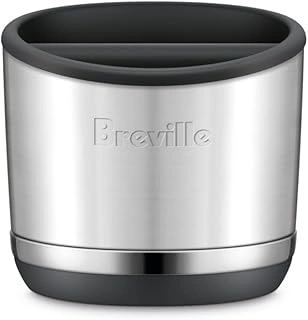
Breville BEA501BSS Knock Box 10 Espresso Accessory, Brushed Stainless Steel
The Breville BEA501BSS stands out as a durable, high-capacity option for home baristas who pull multiple shots daily. Its brushed stainless steel construction resists dents and staining better than plastic or rubberized alternatives, and the 10-puck capacity means fewer trips to the trash during back-to-back drinks or weekend entertaining.
Stability matters when you're knocking out spent pucks with force. The weight and footprint of this knock box keep it planted on the counter, reducing the sliding and tipping common with lighter models. The stainless bar absorbs impact quietly compared to thin plastic designs, though it's not silent - expect a dull thud rather than a sharp clatter.
At $33.95, this model costs more than basic plastic knock boxes, but the tradeoff is longevity. Stainless steel won't crack under repeated use, and the brushed finish hides fingerprints and water spots without constant polishing. If you're building a setup you plan to use for years and want something that matches the aesthetic of a quality espresso machine, the BEA501BSS delivers without unnecessary features.
The 10-puck capacity works well for households pulling three to five shots in a session. Larger commercial-style boxes hold more but take up significantly more counter space; smaller units require more frequent emptying. This size balances convenience and footprint for typical home use.
Choose this knock box if durability and stability are priorities and you're willing to spend a bit more upfront. If budget is tight or you only pull one or two shots a day, a smaller plastic model may be enough - but expect to replace it sooner.
- ✅ 10-puck capacity reduces trips to the trash
- ✅ Brushed stainless steel construction resists dents and stains
- ✅ Weight and footprint provide stability during knockouts
- ✅ Quieter impact than thin plastic models
- ⚠️ Higher price at $33.95 compared to basic plastic options
- ⚠️ Larger footprint may not suit very small counter spaces
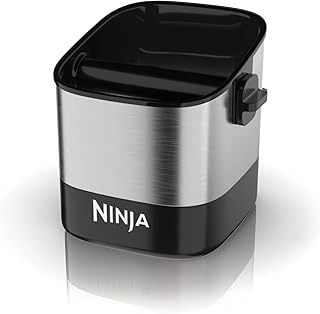
Ninja Luxe Café XSKKNOCKBOX Espresso Knock Box, 10-Puck Capacity, Non-slip
The Ninja Luxe Café XSKKNOCKBOX sits comfortably in the middle of the knock box market, offering enough capacity and stability for home baristas who want more than a budget option without stepping up to premium pricing. Its 10-puck capacity handles a morning's worth of espresso rounds without frequent trips to the trash, making it practical for households that pull several drinks each day.
The non-slip base keeps the unit steady during use, addressing one of the most common frustrations with lighter knock boxes that slide across countertops. This feature becomes especially valuable when you're knocking out tightly compressed pucks or working quickly between shots. At $29.99, the price reflects a step up in build quality compared to entry-level models while remaining accessible for most home setups.
Compared to the Breville knock box, this Ninja model costs less while still offering solid construction and adequate capacity for home use. The tradeoff comes down to brand preference and any specific design details that matter to your workflow. Against budget options, the Ninja justifies its higher price through better stability and a larger bin that reduces how often you need to empty it during busy mornings.
The 4.8/5 rating suggests consistent performance across different espresso routines. If you're upgrading from a flimsy knock box or setting up your first dedicated espresso station, this model delivers reliable daily function without requiring you to pay for features you may not need.
- ✅ 10-puck capacity reduces emptying frequency
- ✅ Non-slip base provides stable operation
- ✅ Mid-range price balances cost and build quality
- ✅ 4.8/5 rating reflects strong user satisfaction
- ⚠️ Costs more than basic knock boxes
- ⚠️ No premium materials or extended features
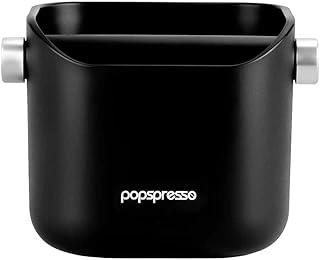
Popspresso 1.5L Espresso Knock Box with Quiet Bar & Non-Slip Base
Smaller espresso bars and noise-sensitive kitchens need a knock box that fits tight counters without the sharp bang of metal-on-metal contact. The Popspresso 1.5L Espresso Knock Box addresses both constraints with a quiet rubber bar and a non-slip base that holds steady during use.
The 1.5-liter capacity handles roughly six to eight double shots before requiring disposal - enough for a morning routine or light afternoon service but less than the larger bins in this guide. For solo drinkers or couples sharing a compact counter, this size leaves room for a grinder and portafilter rest without crowding the workflow.
The quiet bar absorbs impact rather than reflecting it back through the counter, which matters in open-plan kitchens or early-morning prep when household noise carries. The non-slip base keeps the box in place during angled strikes, so you won't chase it across the counter or need a second hand to stabilize it.
The smaller footprint trades total capacity for spatial efficiency. If you pull more than eight shots in one session, you'll empty this box more often than a 2-liter model. But for counters shorter than the listed size or workflows that value quieter operation, the reduced volume is an acceptable exchange.
At $22.79, the Popspresso delivers reliable function for small-scale home use. The non-slip base and quiet bar solve common irritations without adding bulk, making it a practical choice when counter space and noise level matter more than maximum capacity.
- ✅ Quiet rubber bar reduces impact noise during puck disposal
- ✅ Non-slip base keeps the box stable on smooth counters
- ✅ Compact 1.5L size fits tight espresso bar layouts
- ✅ Affordable at $22.79 for home use
- ⚠️ Smaller capacity requires more frequent emptying for higher-volume users
- ⚠️ Less suitable for households pulling more than eight shots per session
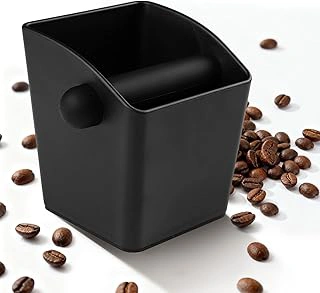
Large Capacity Espresso Knock Box, Removable Bar, Non-Slip, Breville Compatible
If you pull dozens of shots each week but don't want to invest in a stainless steel knock box, this large-capacity option delivers practical features at a fraction of the cost. It sells for $9.99 and includes a removable bar, non-slip base, and compatibility with Breville machines.
The removable bar makes it simple to knock out spent pucks in one tap, and the bar lifts out completely for quick rinsing under the faucet. The non-slip base keeps the container stable on the counter during use, which is helpful when you're knocking firmly to release a tight puck. Large capacity means fewer trips to the compost bin during a busy morning or when entertaining guests who each want a latte.
At this price point, material finish and construction are simpler than premium models. The knock bar is functional but may show wear sooner than stainless steel alternatives, and the overall build is lighter. If you're setting up your first home espresso station or need a second knock box for a different location, this pick offers core functionality without asking you to spend five times more.
Breville compatibility ensures the footprint and height work well alongside Barista Express, Bambino, and similar machines. The trade-off is that this knock box won't feel as substantial or last as many years as a heavy-duty stainless model, but for under ten dollars it covers the essential task reliably.
- ✅ $9.99 entry-level price point
- ✅ Removable bar for easy cleaning
- ✅ Non-slip base for counter stability
- ✅ Large capacity reduces emptying frequency
- ✅ Compatible with Breville espresso machines
- ⚠️ Lighter construction than premium models
- ⚠️ Simpler material finish may wear faster over time